Enterprise-grade workforce governance built on video intelligence
CCTV-Based Attendance as Enterprise Infrastructure: Reducing Payroll Risk and Strengthening Workforce Governance
For enterprises managing thousands of employees
across multiple locations, attendance and payroll systems
are not just operational conveniences—they are
critical governance infrastructure.
Every dollar of payroll must be defended by
unforgeable records, audit trails, and real-time verification.
When attendance is tied to your largest cost center—payroll—
the system itself becomes a strategic asset,
not just an HR convenience.
The Enterprise Risk: Payroll Leakage at Scale
Traditional punch-clock and biometric systems
were designed for small teams, not enterprises.
At scale, their vulnerabilities compound:
- Buddy Punching: Employees clock in for colleagues who aren't present
- Time Drift: Clocks go unverified, leading to billing inaccuracies
- Audit Blindness: No evidence trail of WHO worked WHEN or WHERE
- Regional Variance: Different locations use different systems, creating gaps
For a 10,000-person enterprise with even a 2% leakage rate,
you're losing $5-10 million annually.
Enterprise-Grade CCTV-Based Attendance as Infrastructure
Vizenta's enterprise platform treats CCTV-based attendance
as mission-critical infrastructure:
Unified Verification Across All Locations
Every employee, every location, every shift
is verified using the same standard:
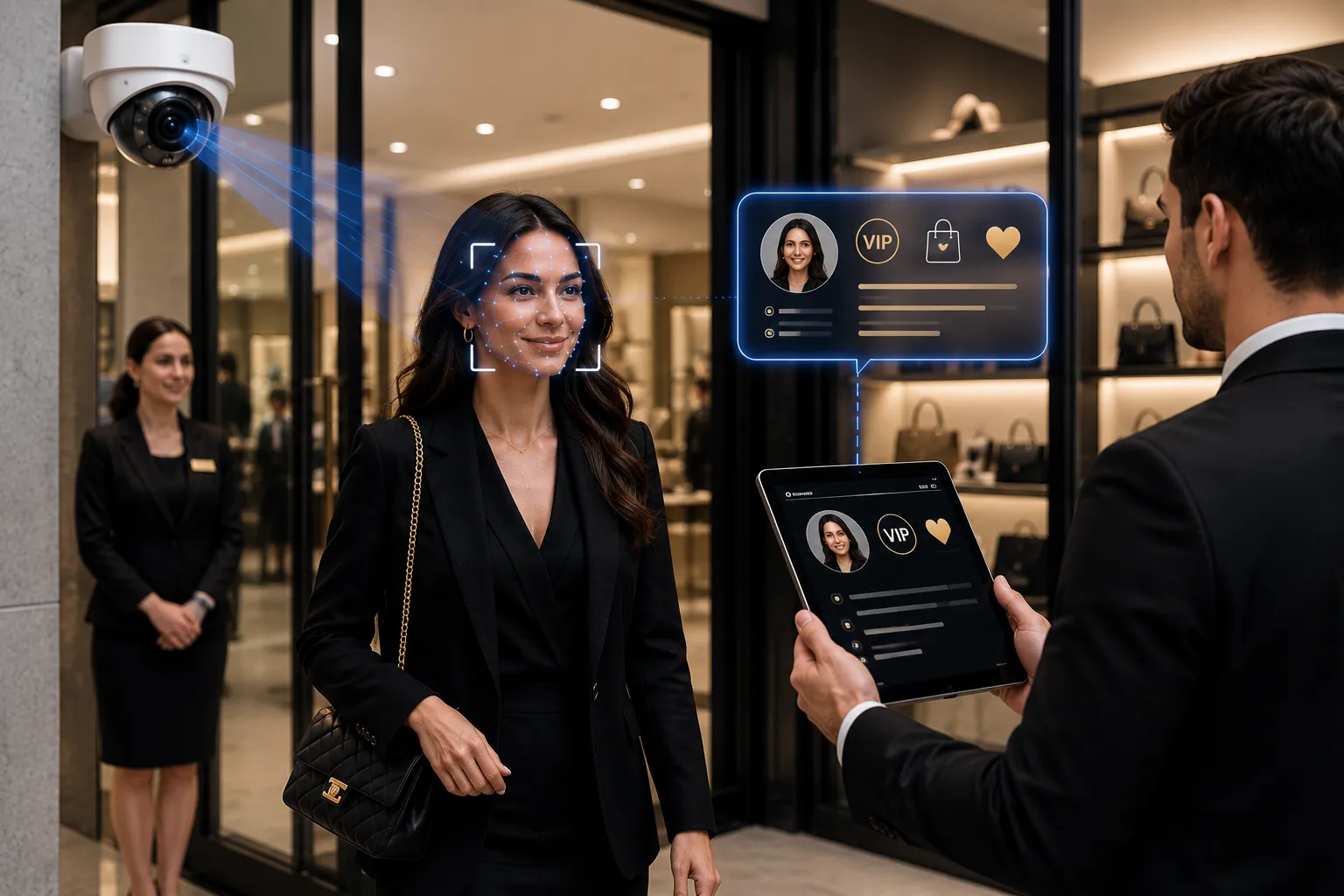
facial recognition tied to real-time visual evidence.
Immutable Audit Trails
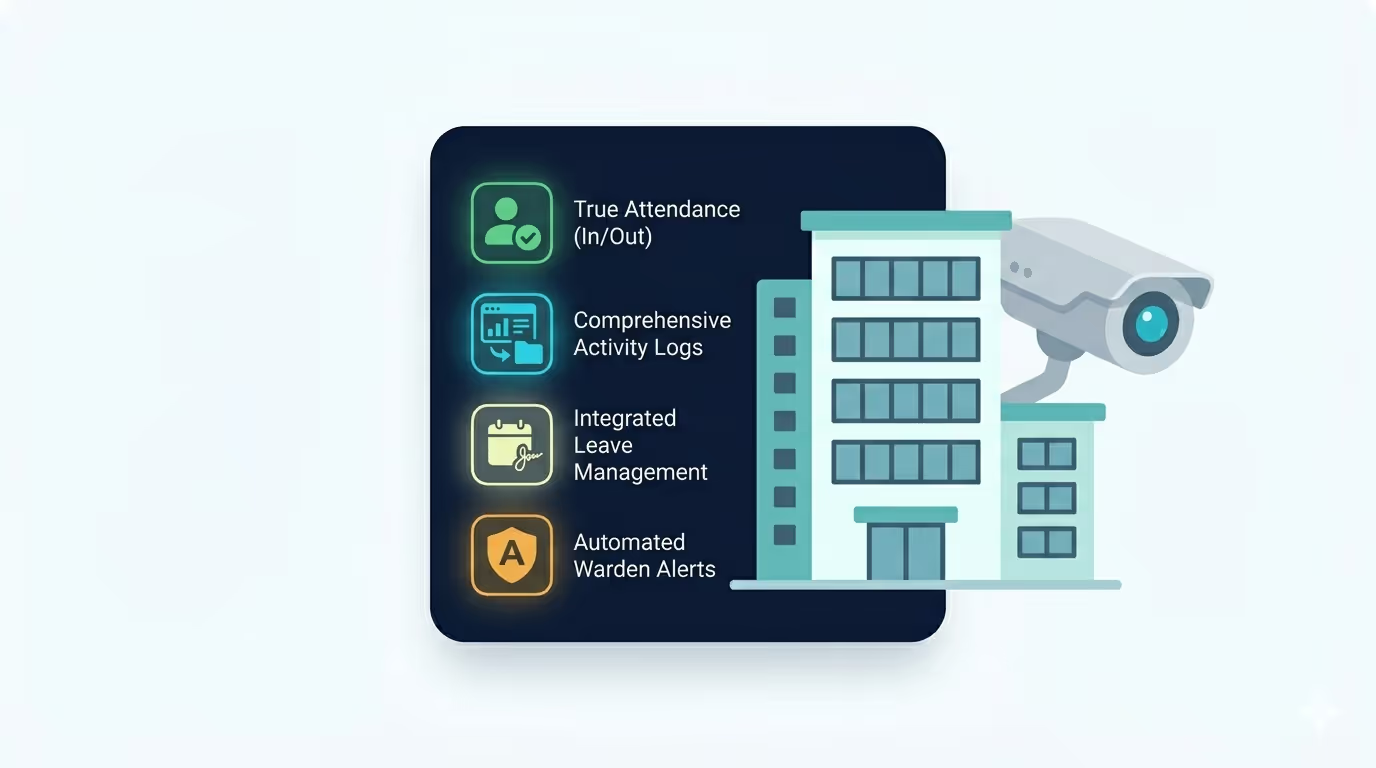
Every clock-in is backed by video evidence.
In case of disputes—missed pay, overcharges, or payroll audits—
you have unforgeable proof of presence.
Payroll Risk Reduction
Integrate directly with your enterprise payroll system.
Payroll is generated from verified, audited attendance data,
eliminating the manual reconciliation and errors
that plague traditional systems.
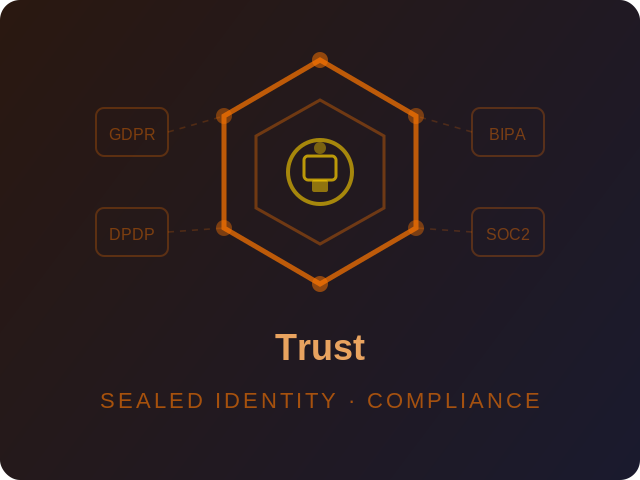
Compliance & Governance
For enterprises subject to regulatory audits—
particularly those in government contracts, healthcare,
or regulated industries—CCTV-based attendance
provides the documentation rigor required.
The Strategic Advantage
Enterprises that implement CCTV-based attendance
gain a structural advantage:
- Faster, more accurate payroll (reducing back-office costs by 20-30%)
- Lower audit risk and regulatory exposure
- Ability to prove compliance across all locations
- Real-time visibility into workforce deployment
Strengthen Your Workforce Governance
Enterprise leaders, discover how CCTV-based attendance
becomes strategic payroll infrastructure.
Book a Demo