The Relationship That Can’t Scale
The Indian jewelry market — $85 billion, projected to hit $100 billion by 2027 — runs on one thing: relationships.
Families don’t buy jewelry. They invest in a jeweler. The grandfather who bought his wife’s mangalsutra from a particular house expects his granddaughter’s wedding jewelry to come from the same place. That’s not nostalgia. That’s trust built over decades.
The problem: this model works beautifully at a single store with an owner who knows everyone. It breaks the moment you scale.
What Breaks at Multi-Branch Scale
- A flagship tracks 500-1,000 VIP clients through personal memory. Across 10 branches: 5,000-10,000 clients. Nobody remembers them all.
- Staff turnover means relationship knowledge walks out the door regularly.
- Clients visit whichever branch is convenient, expecting recognition everywhere.
- During Diwali and wedding season, foot traffic surges 3-5x. VIPs disappear into the crowd.
- CRM systems store everything about a client — but can’t recognize the person standing in front of you.
The gap: your system knows Mrs. Sharma spent ₹18 lakhs last Diwali and prefers polki. But it can’t tell you that Mrs. Sharma just walked through the door. That recognition still depends entirely on one associate’s memory.
How VIP Recognition Closes the Gap
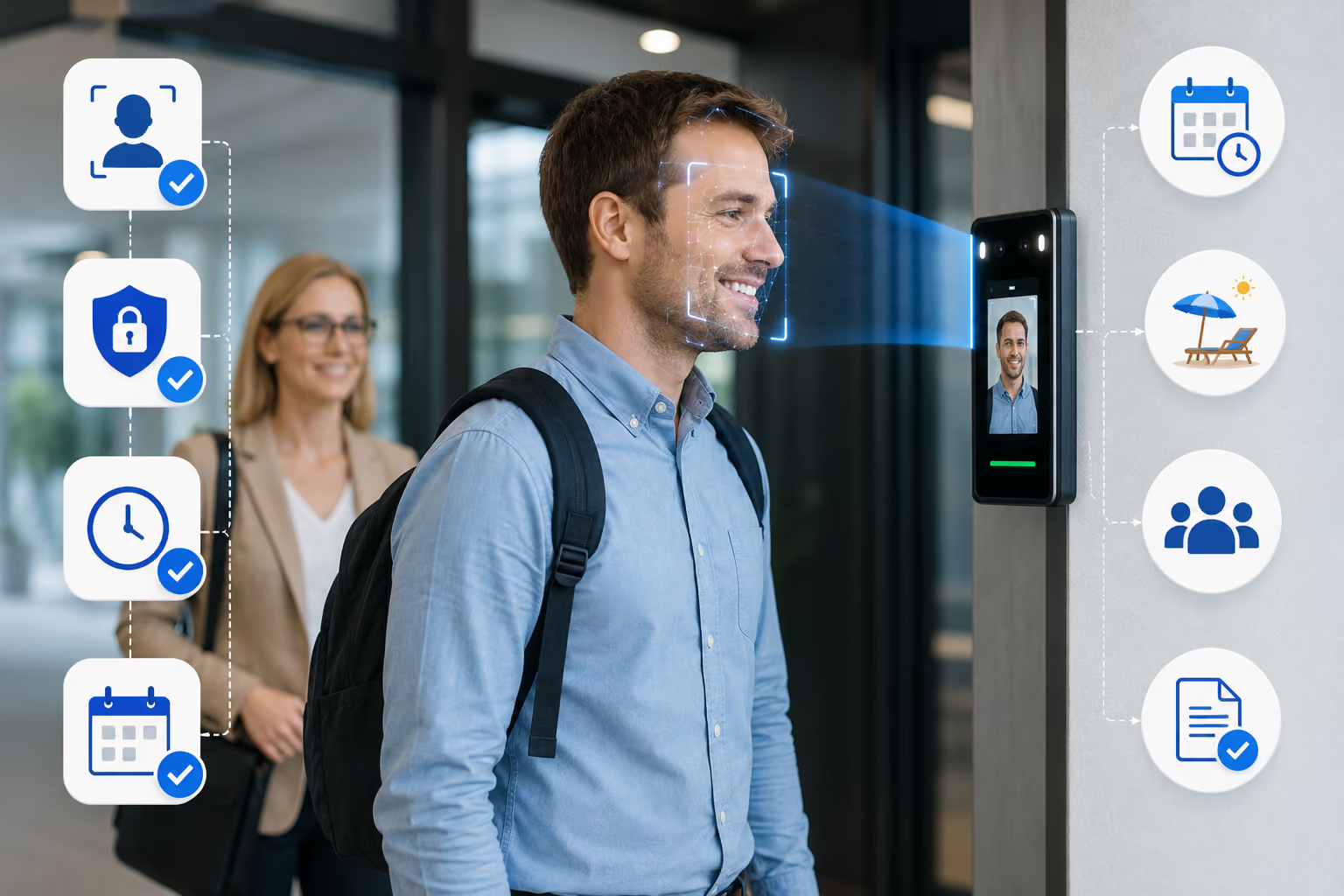
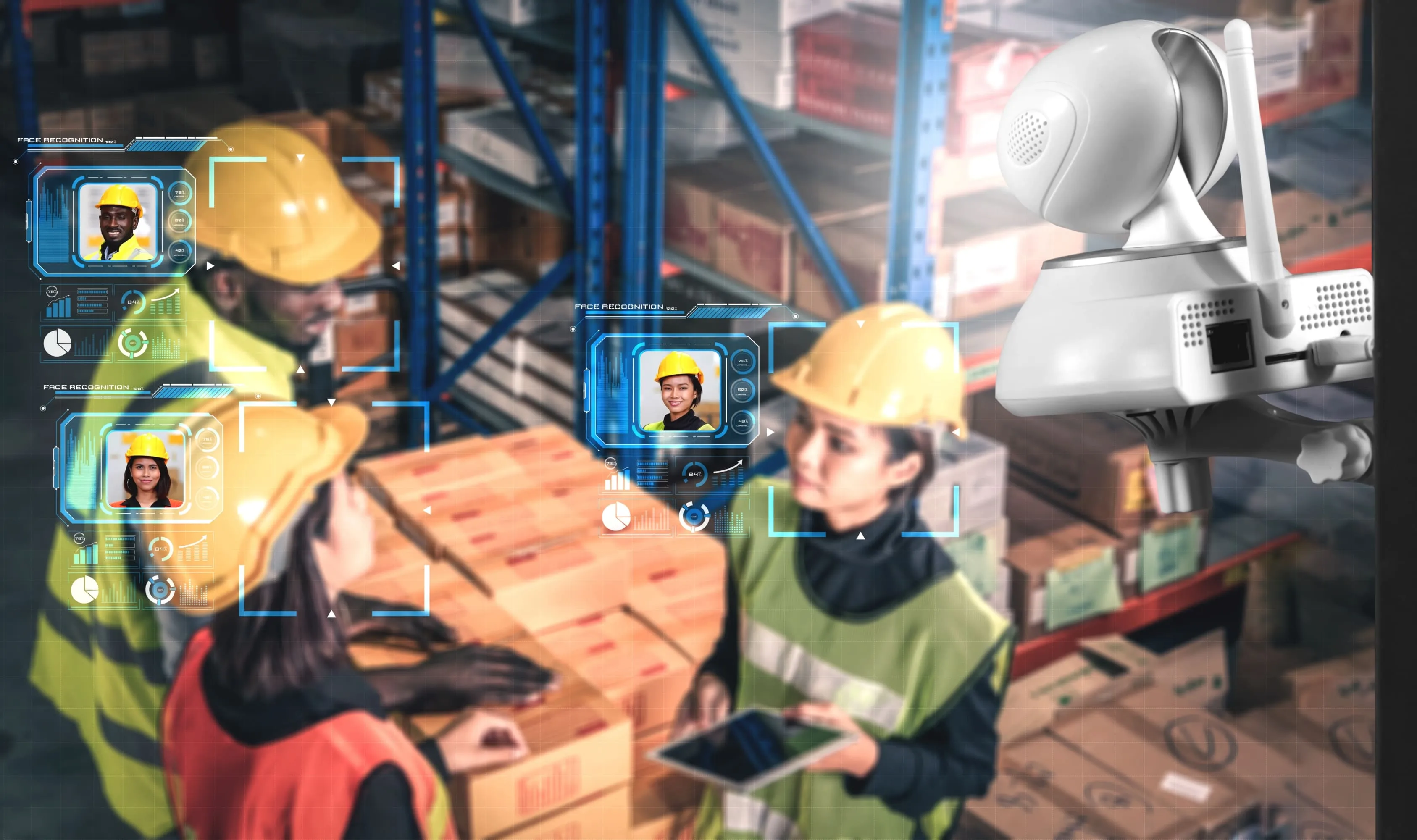
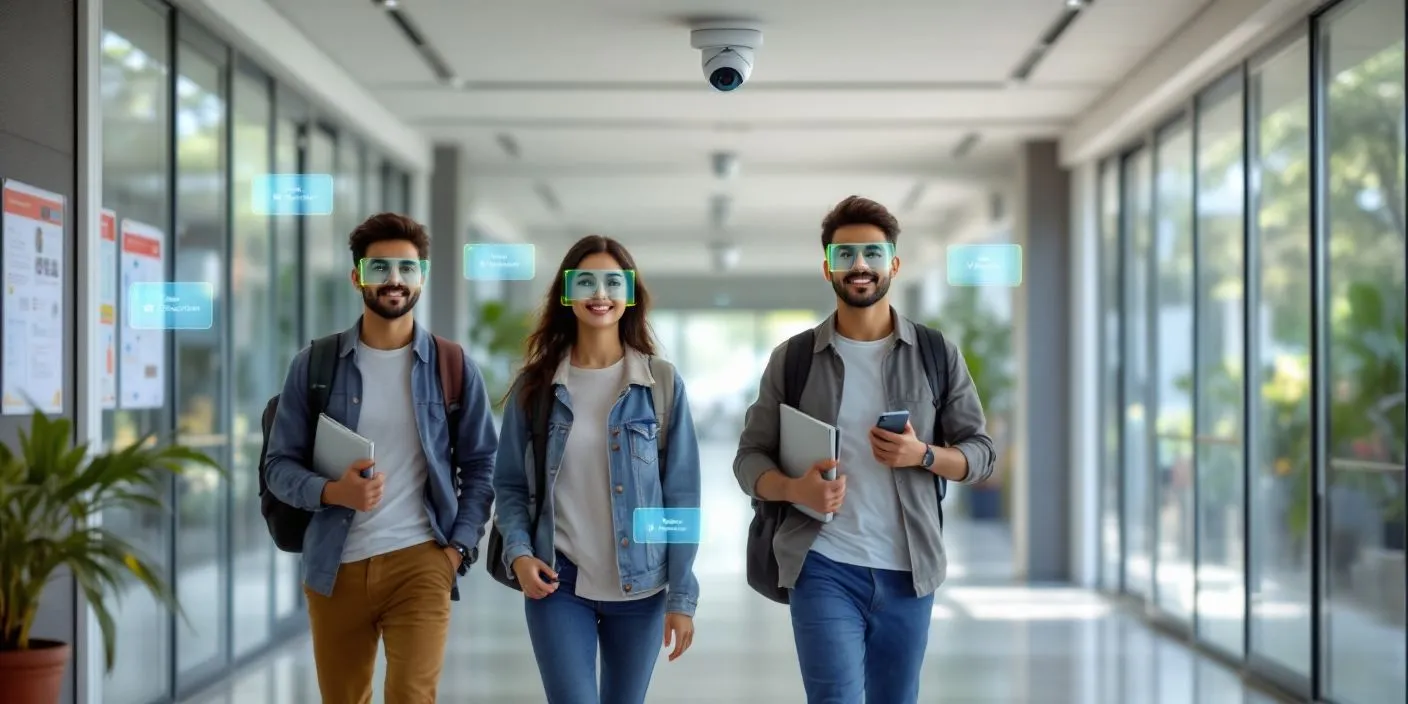
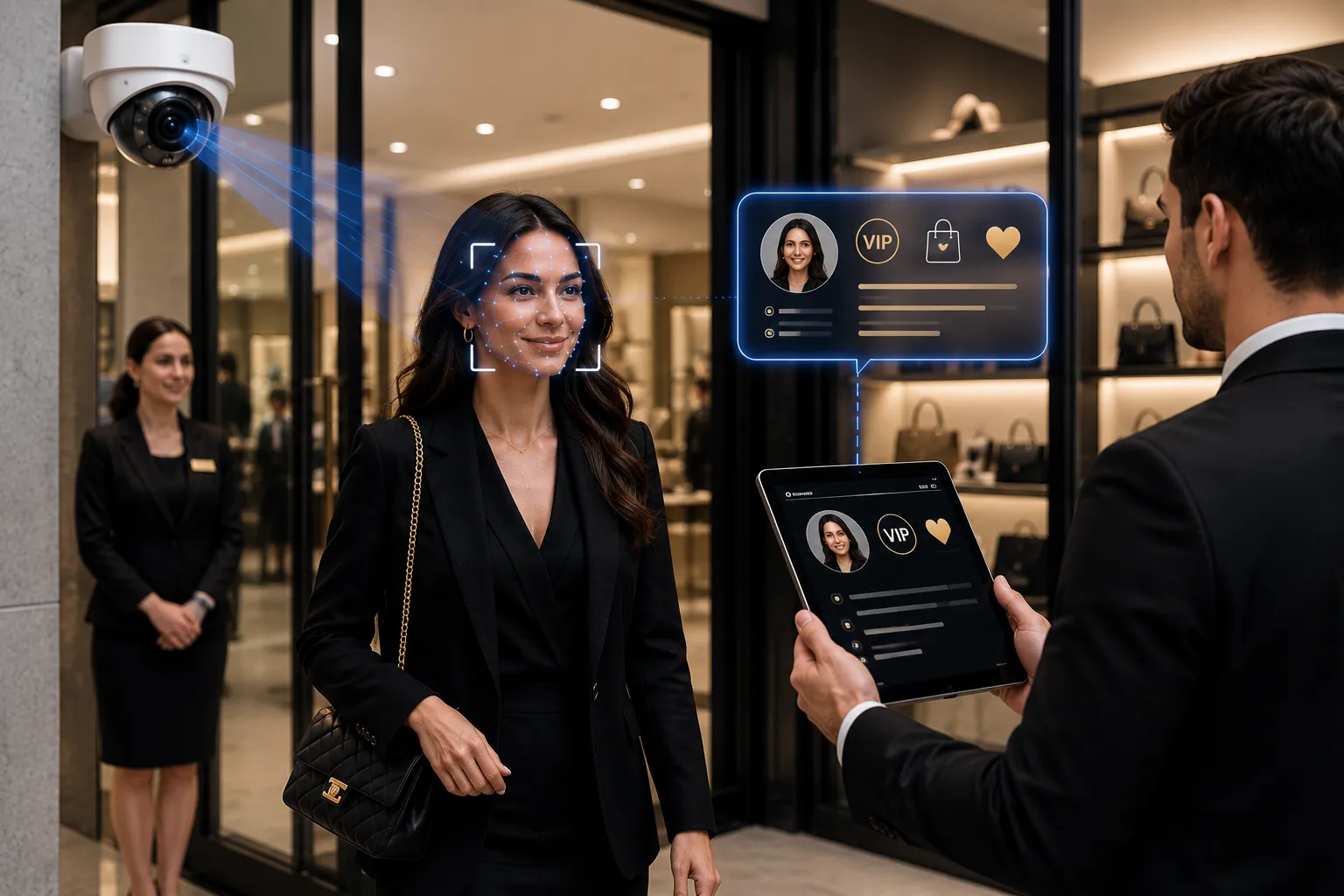
AI-powered recognition connects the face at the door to the data in your system. Using your existing CCTV cameras, it identifies enrolled VIP clients the moment they enter — with 99%+ accuracy.
- Enrollment: With consent, a client’s face is linked to their CRM record — name, history, preferences, family, important dates.
- Detection: They enter any branch. The system matches them in under 3 seconds.
- Alert: The nearest associate gets a notification: client name, last visit, recent purchases, upcoming occasions.
- Greeting: The associate steps forward with context. By name. Before the client reaches the counter.
The client sees no technology. No check-in desk, no scanner, no app. They walk in and feel recognized. That’s the entire point.
Where This Hits Hardest
Festival Season
During Dhanteras and Diwali, showrooms are packed. Without recognition, your ₹20-lakh client waits behind first-time browsers. With it, they’re identified at the door and directed to priority service immediately — maintaining the VIP experience even when foot traffic triples.
Multi-Generational Families
The system links family groups. When the client’s daughter walks into the Mumbai branch for wedding shopping, the associate knows: family lifetime purchases of ₹50+ lakhs, mother’s preference for bridal polki, wedding date in March. The consultation starts informed, not from scratch.
Occasion-Aware Service
Client visits two weeks before their anniversary. The associate, armed with the notification: “We just received some new pieces that would be perfect for the occasion.” Not scripted. Informed. The client feels the jeweler remembers what matters to them.
Lapsed Client Detection
A regular who visits every 2-3 months hasn’t appeared in 6 months. The system flags the absence. The relationship manager calls personally. Identifying clients who are drifting away before they’re gone is worth more than any marketing campaign.
Same Cameras, Dual Function
Jewelry stores hold hundreds of thousands in inventory. The same AI that recognizes VIPs simultaneously provides blacklist detection:
- VIP entry = green alert to sales team
- Flagged individual entry = red alert to security team
- Separate channels. The VIP experience is never disrupted by security operations.
One camera investment. Two critical capabilities. For showrooms in high-traffic malls across Mumbai, Delhi, and Jaipur, this dual function provides comprehensive client management and security from a single infrastructure investment.
The ROI of Recognition
The economics of VIP recognition in Indian jewelry are compelling. McKinsey research on luxury retail shows personalized experiences drive 20-30% higher spending and significantly greater repeat visit frequency.
Consider the math for a mid-size jewelry house with 8-10 branches:
- Average VIP transaction: ₹3-10 lakhs per visit
- 15-25% increase in repeat visits among recognized clients translates directly to additional revenue
- Staff turnover impact eliminated — when an experienced associate leaves, the institutional knowledge of 500+ client relationships no longer walks out the door
- Festival season uplift: Maintaining VIP service during Dhanteras and Diwali rush means fewer high-value clients lost to competitors
The system pays for itself within the first quarter. The cameras are already installed and operational. The only addition is an edge computing device and CRM integration — deployed in days, not months.
Implementation
- Existing CCTV cameras — most showrooms already have comprehensive coverage (regulatory and insurance requirement)
- Edge processing — compact device in the server room. Works independently of internet quality. No data leaves the premises.
- CRM integration — connects to your existing client management system
- Deployment: days, not weeks
Under India’s DPDP Act (2023), businesses collecting biometric data must obtain explicit consent and implement appropriate security measures. On-premise edge processing — where data never leaves the showroom — provides strong compliance posture. All facial templates are stored locally on the edge device, never uploaded to the cloud, and automatically deleted when a client requests removal.
What Changes
- Recognition accuracy: 99%+ across varying lighting, angles, and appearances
- Greeting time: From minutes (or never) to under 30 seconds
- Repeat visits: 15-25% increase among recognized clients
- Transaction value: Measurably higher when associates have purchase context and occasion awareness
- Staff-independent retention: The relationship survives turnover — the system remembers when people don’t
- Festival readiness: VIP identification maintained even at 3-5x normal traffic
- Cross-branch intelligence: A client recognized at your Kolkata branch gets the same personalized treatment at your Delhi showroom
Getting Started
- Define your VIP tier. Annual spend above ₹5 lakhs? Lifetime above ₹25 lakhs? Start with a clear threshold that your team agrees on.
- Pilot at your flagship. Highest VIP density, most experienced staff, most visible impact on client relationships.
- Enroll top 100 personally. The branch manager handles each enrollment conversation. Position it as an exclusive service privilege, not a data collection exercise.
- Train the team. Technology delivers recognition. People deliver the experience. Define the greeting protocol — what associates say, how they use the context, and how they make the moment feel natural.
- Test during festival season. The real proof: VIP service maintained when the showroom is packed. If your top clients still get recognized and greeted during Dhanteras rush, the system has proven its value.
The Indian jewelry business has always been about relationships. AI doesn’t replace the human connection. It ensures it happens — every time, every branch, every VIP.
Ready to recognize your most valuable clients? Vizenta AI helps jewelers deliver VIP experiences using their existing camera infrastructure.