How to Convert CCTV into an AI Attendance System | Vizenta AI
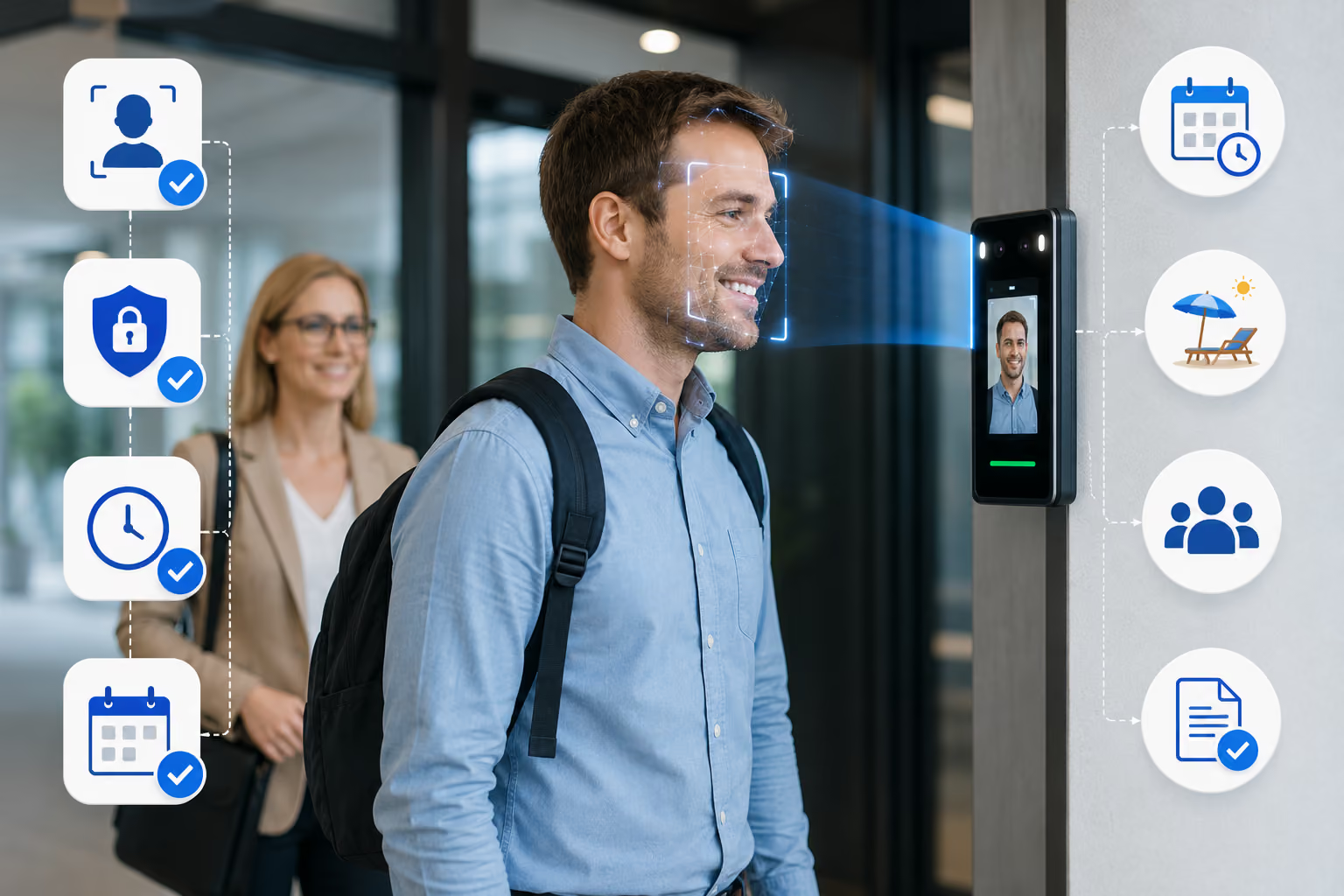
Video-based access control workflow
Your Cameras Are Already There — They Just Aren't Smart Yet
Most organizations have invested significantly in CCTV infrastructure for security. But those cameras sit idle 99% of the time, recording footage that nobody watches until something goes wrong. Meanwhile, the same organizations spend additional money on separate attendance systems — biometric scanners, RFID badges, punch clocks, or manual sign-in sheets.
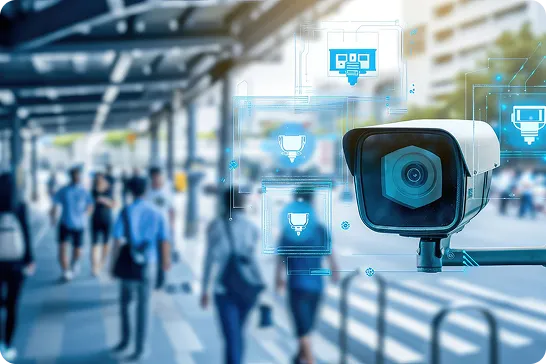
What if your existing cameras could do both? That's exactly what an AI attendance system does: it adds an intelligent software layer to your current CCTV infrastructure, turning passive recording devices into active workforce management tools.
What Is an AI Attendance System?
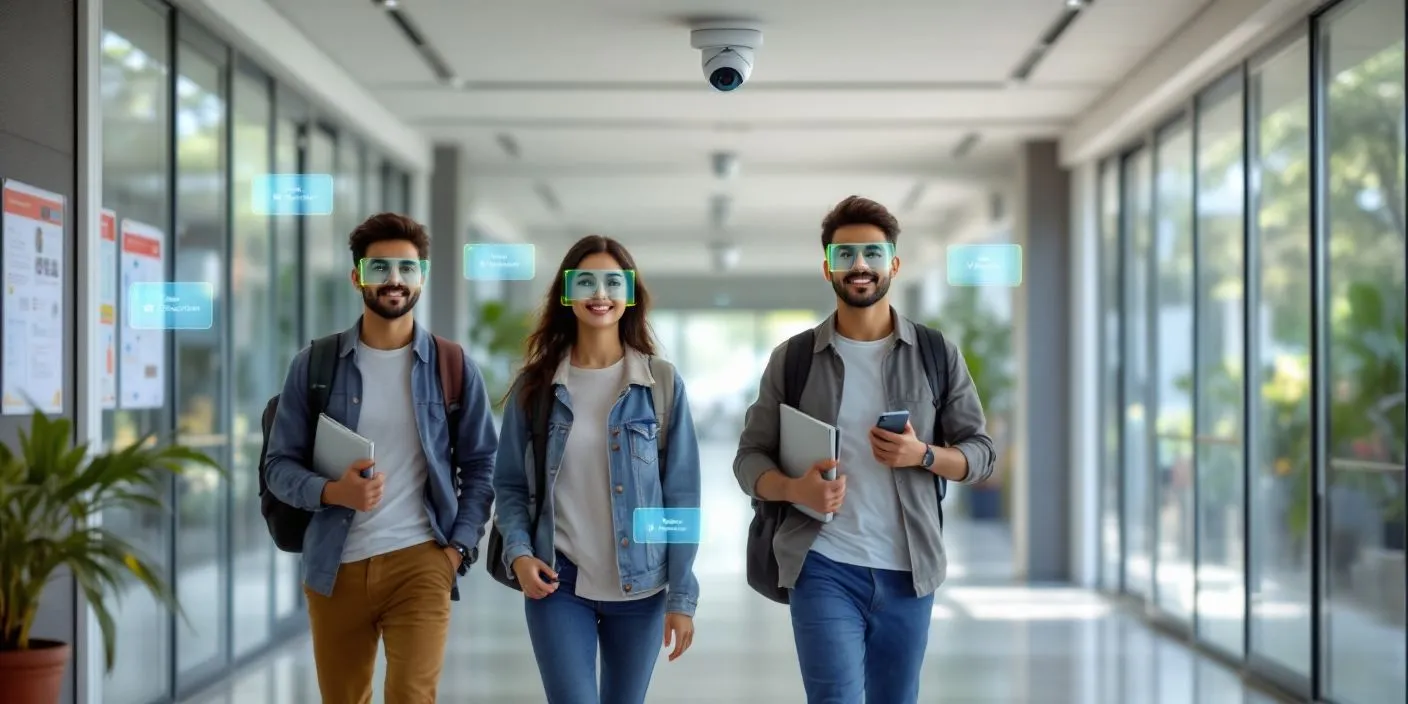
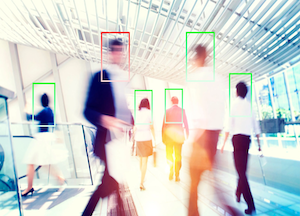
An AI attendance system uses computer vision and facial recognition technology to automatically identify and log individuals as they pass through camera-monitored areas. Unlike traditional attendance methods that require physical interaction (swiping a badge, scanning a fingerprint, signing a sheet), an AI attendance system works passively — employees, students, or visitors simply walk through the camera's field of view and their attendance is recorded automatically.
Key characteristics of a modern AI attendance system include:
Contactless operation: No touching shared surfaces or carrying cards
Identity verification: Facial recognition prevents buddy punching and proxy attendance
Real-time logging: Attendance is recorded the moment a person is recognized
Passive capture: No need to stop, pose, or interact with a device
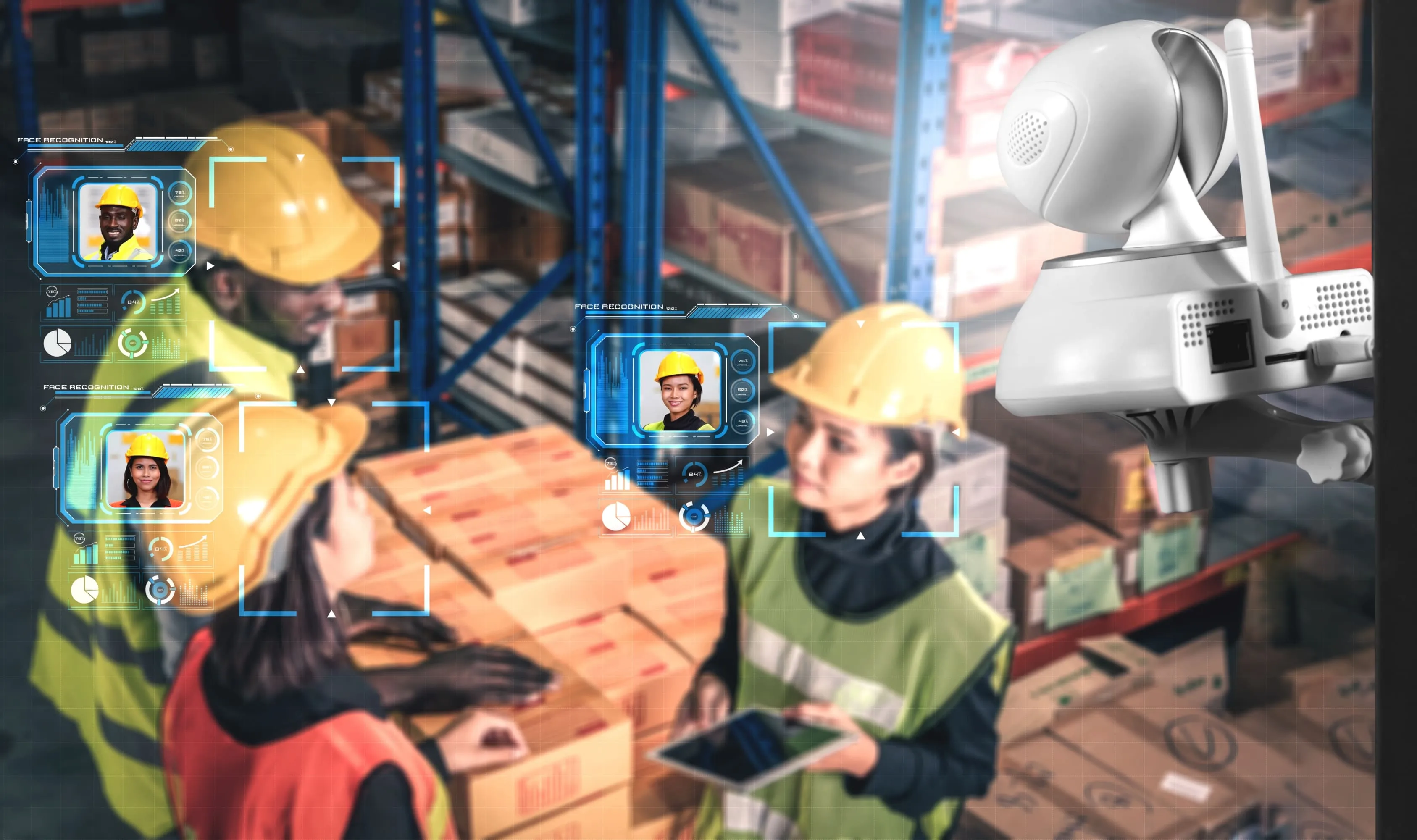
Multi-person recognition: Can identify multiple people simultaneously in crowded environments
Why Convert Existing CCTV Instead of Buying New Hardware?
The economics are compelling. A typical office with 20 cameras has already invested $15,000-$50,000 in camera infrastructure. Adding dedicated biometric attendance terminals for every entry point might cost another $10,000-$25,000 — plus ongoing maintenance, replacement parts, and the inevitable employee complaints about fingerprint scanners that don't work when hands are wet or dirty.
Converting your existing CCTV to an AI attendance system eliminates this duplication. The cameras you already own become both your security system and your attendance system. The economics include:
Zero hardware cost: Works with Hikvision, Axis, Dahua, Honeywell, CP Plus, and other major IP camera brands
No rip-and-replace: Connect via standard RTSP/ONVIF protocols
Dual-purpose infrastructure: Security monitoring and attendance from the same cameras
Lower total cost of ownership: One system to maintain instead of two
How the Conversion Works: Step by Step
Step 1: Camera Audit and Compatibility Check
The first step is assessing your existing camera infrastructure. Most modern IP cameras manufactured in the last 5-7 years support the RTSP or ONVIF protocols required for AI integration. The assessment checks camera resolution (minimum 720p recommended, 1080p preferred), positioning, lighting conditions, and network connectivity.
Step 2: Edge Hardware Deployment
The AI processing happens on edge computing hardware installed on your premises. This is typically a compact server or GPU-equipped device that connects to your camera network. All video processing, facial recognition, and attendance logging happens locally — no video is sent to the cloud.
Step 3: Enrollment
Employees, students, or visitors are enrolled in the system through a simple photo capture process. Most systems require 2-3 photos per person under different lighting conditions. Enrollment can be done via a dedicated station, a mobile app, or even through existing ID photos.
Step 4: Zone Configuration
Define which cameras monitor which attendance zones. An "attendance zone" might be a building entrance, a classroom doorway, a factory gate, or a retail staff entrance. Each zone can have different rules — for example, the main gate records entry/exit times while classroom cameras track per-session attendance.
Step 5: Integration and Go-Live
Connect the AI attendance system to your existing HR, payroll, or student information system via API. Most integrations support SAP, SuccessFactors, Workday, BambooHR, and common SIS platforms. Once connected, attendance data flows automatically into your existing workflows.
Industries Using CCTV-Based AI Attendance
Education
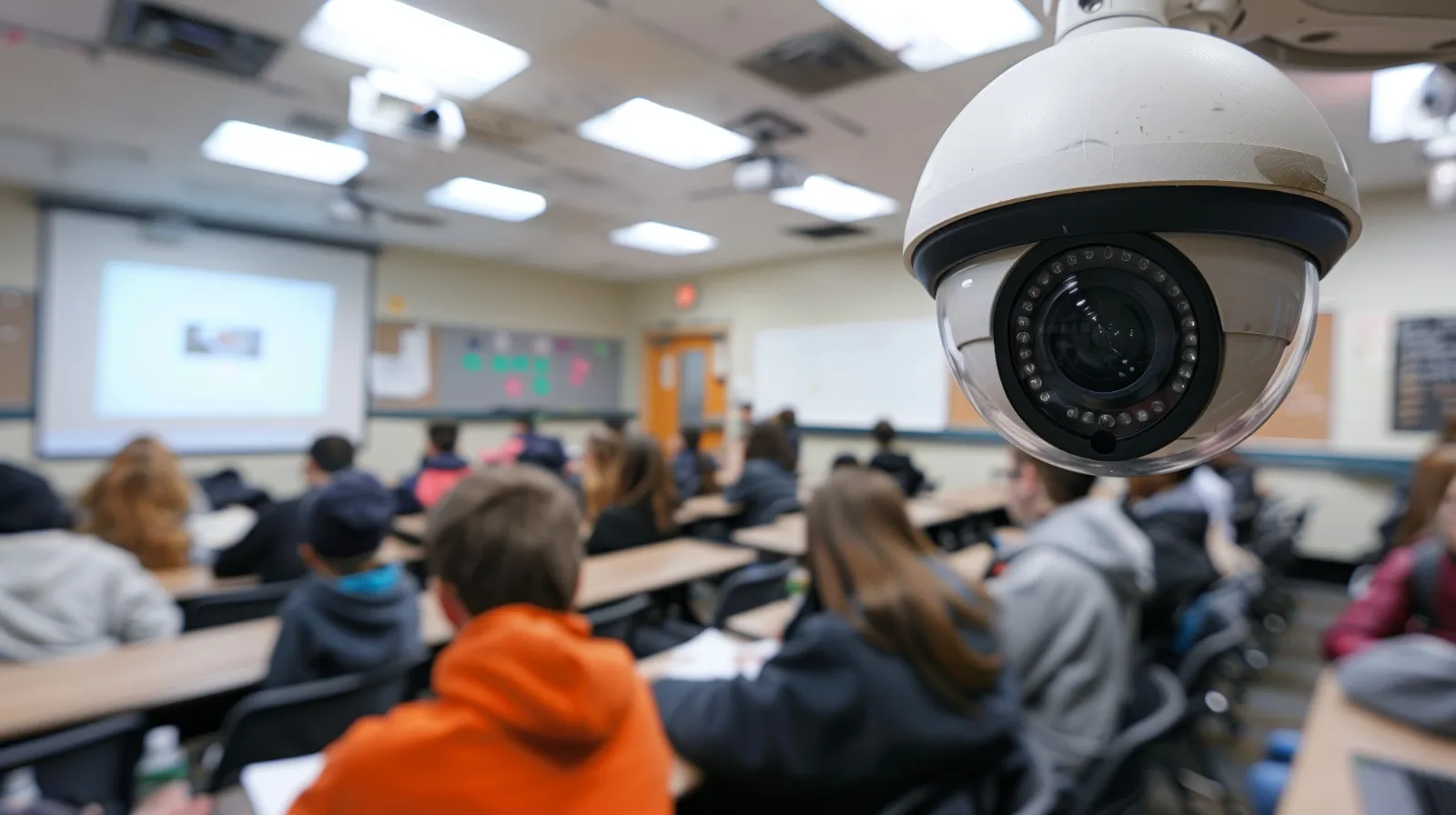
Universities and schools use CCTV-based attendance to automate classroom roll calls, track campus access, and generate compliance documentation for Title IV R2T4 requirements. With hundreds of classes daily, manual attendance tracking is impractical at scale.
Corporate Offices
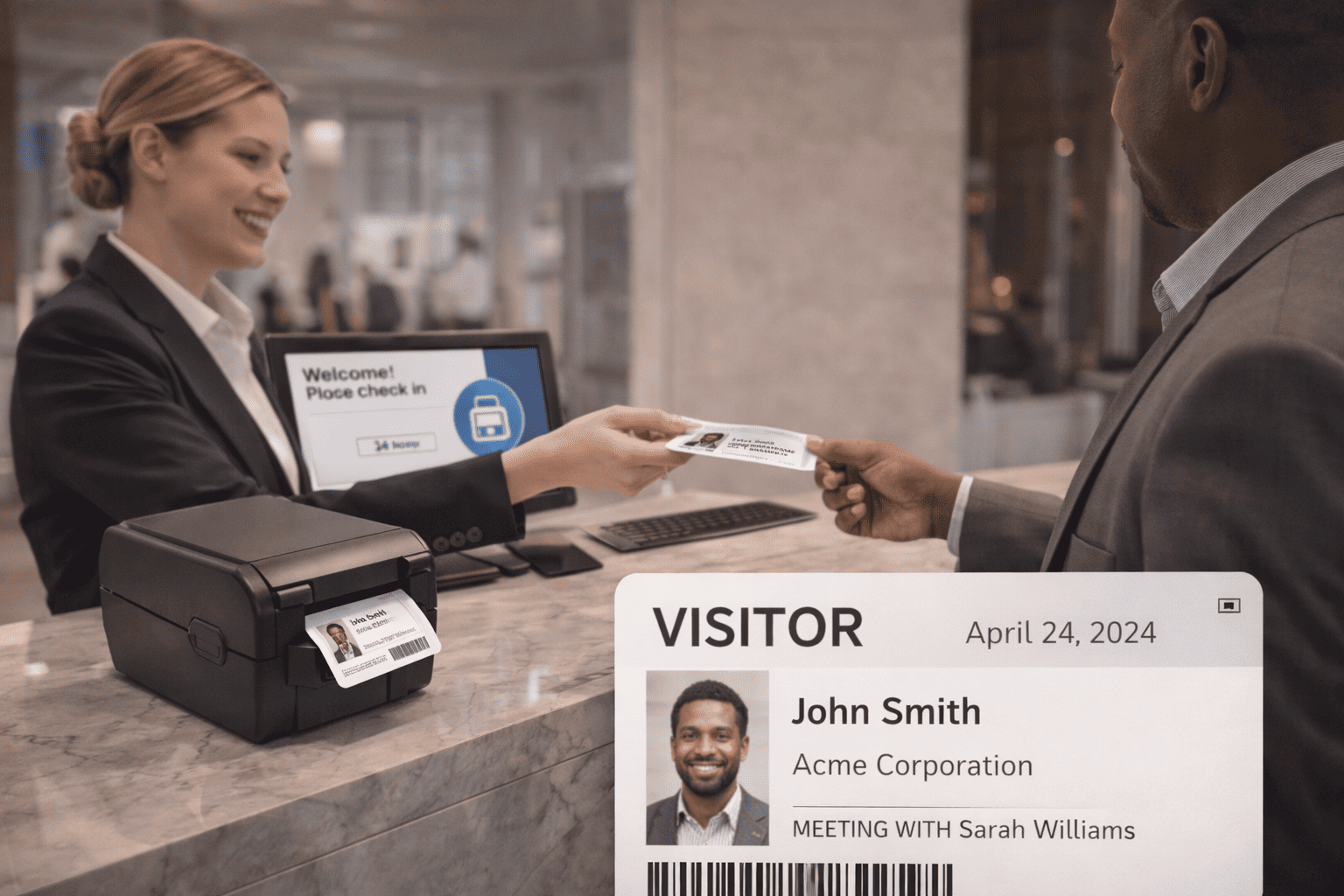
Companies replace badge-based access control with facial recognition attendance, eliminating buddy punching and providing accurate data for hybrid work policies. Visitor management is handled through the same camera infrastructure.
Retail
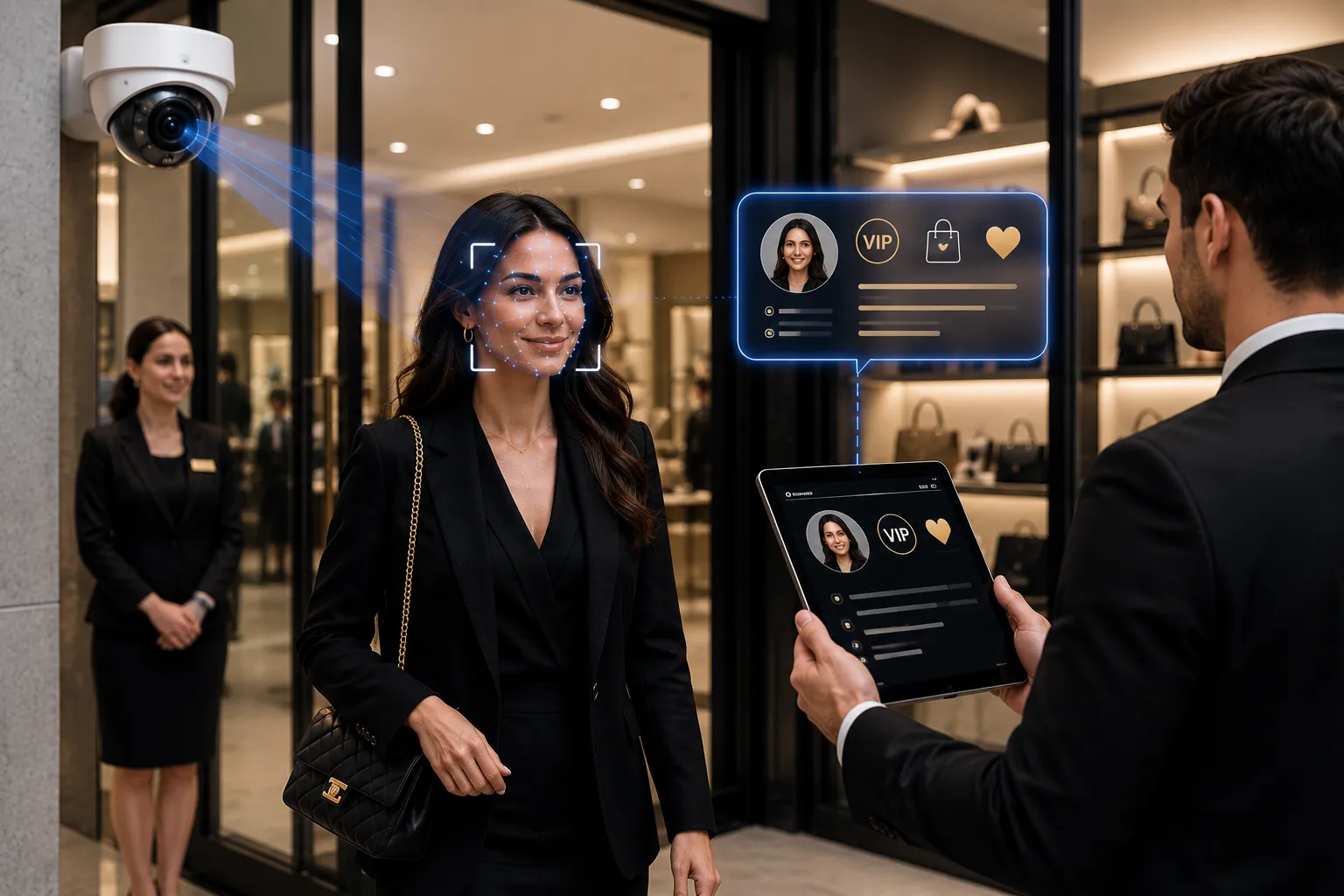
Retailers use AI attendance to eliminate ghost shifts and buddy punching among hourly workers. The same cameras that track staff attendance also power loss prevention through shoplifter detection.
Construction Sites
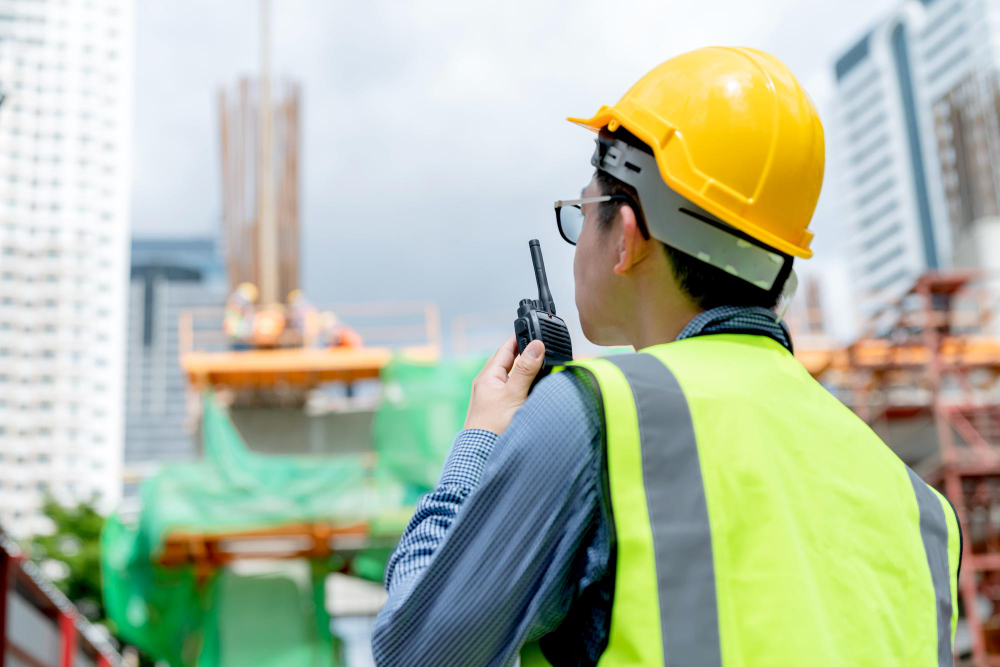
Construction sites need to track thousands of workers across multiple entry points in harsh outdoor conditions. AI attendance through ruggedized cameras eliminates paper sign-in sheets and provides real-time headcounts for safety compliance.
Manufacturing
Factories with shift workers use CCTV-based attendance to accurately track shift start/end times, overtime, and break compliance. Integration with HRMS eliminates manual timesheet reconciliation.
What About Privacy?
Privacy is the most common concern with facial recognition attendance systems. The critical differentiator is where the data is processed. Cloud-based systems send facial data to external servers, creating privacy risk and potential regulatory violations.
On-premise (edge-processed) AI attendance systems keep all biometric data within your own network. No facial templates, no video footage, and no personally identifiable information ever leaves your premises. This architecture is designed for compliance with GDPR, BIPA, CCPA/CPRA, DPDP, and other privacy regulations.
AI Attendance System vs Traditional Methods: A Comparison
When comparing AI attendance against traditional methods, the differences are significant across every dimension. Biometric scanners require physical contact and dedicated hardware at each point. Badge and RFID systems require card distribution and are vulnerable to sharing. Manual sign-in sheets lack verification and are labor-intensive to process. AI attendance, by contrast, is contactless, works with existing infrastructure, verifies identity automatically, and processes data in real time.
Getting Started
Converting your CCTV to an AI attendance system is simpler than most organizations expect. The typical deployment timeline is days, not months. There's no construction, no new cabling, and no disruption to existing security operations.
The first step is a camera audit to confirm compatibility and identify optimal attendance zones. From there, deployment follows the five-step process outlined above.
Book a free camera audit to find out if your existing CCTV can be converted into an AI attendance system.
We use cookies to improve your experience on our website.
✕
About Cookies on This Site
Please choose which functional and/or advertising cookies this site may collect:
Required Cookies
These cookies are necessary to manage the site and enable basic features to function.