Facial Recognition Time Clocks vs Biometric Systems 2026 | Vizenta AI
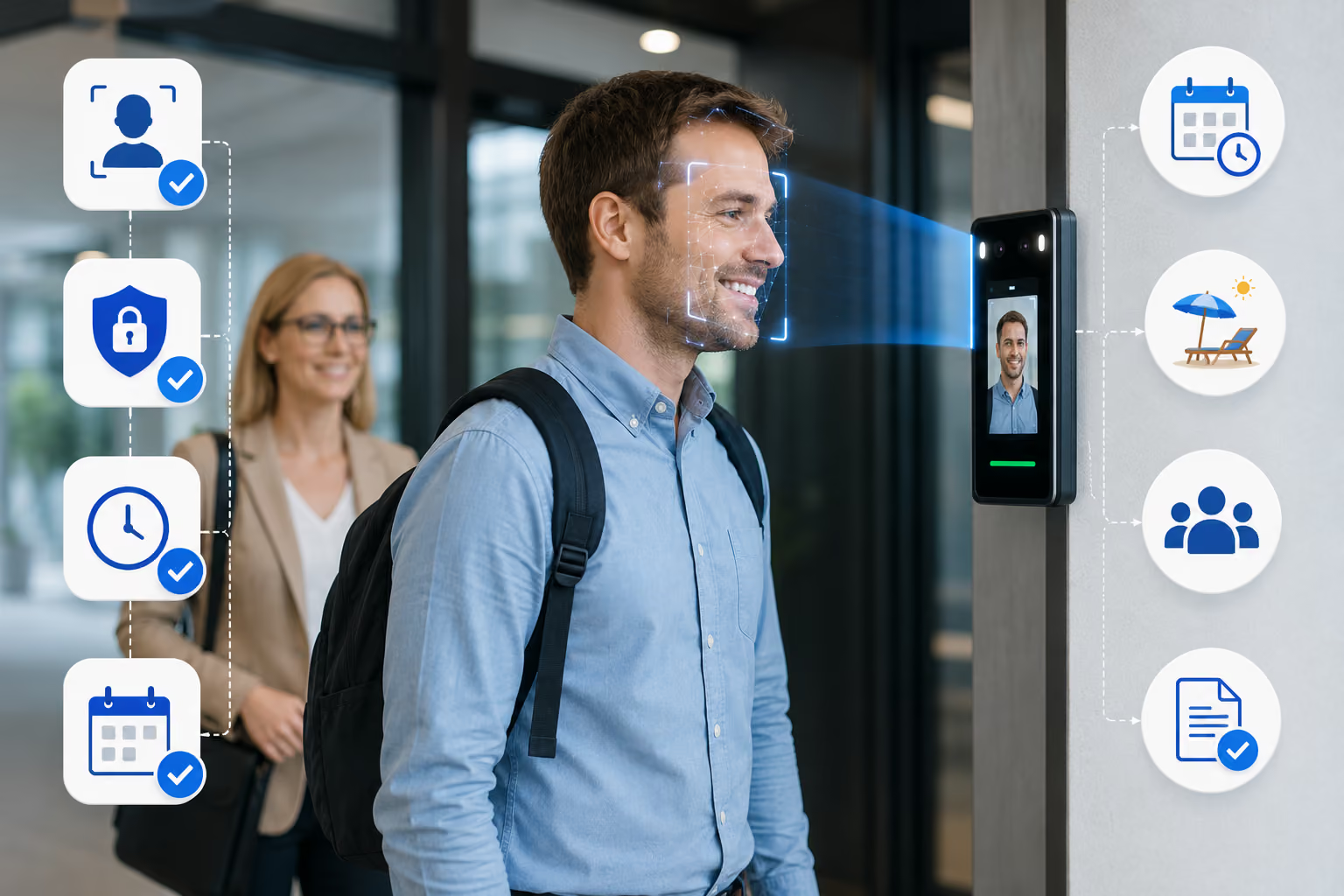
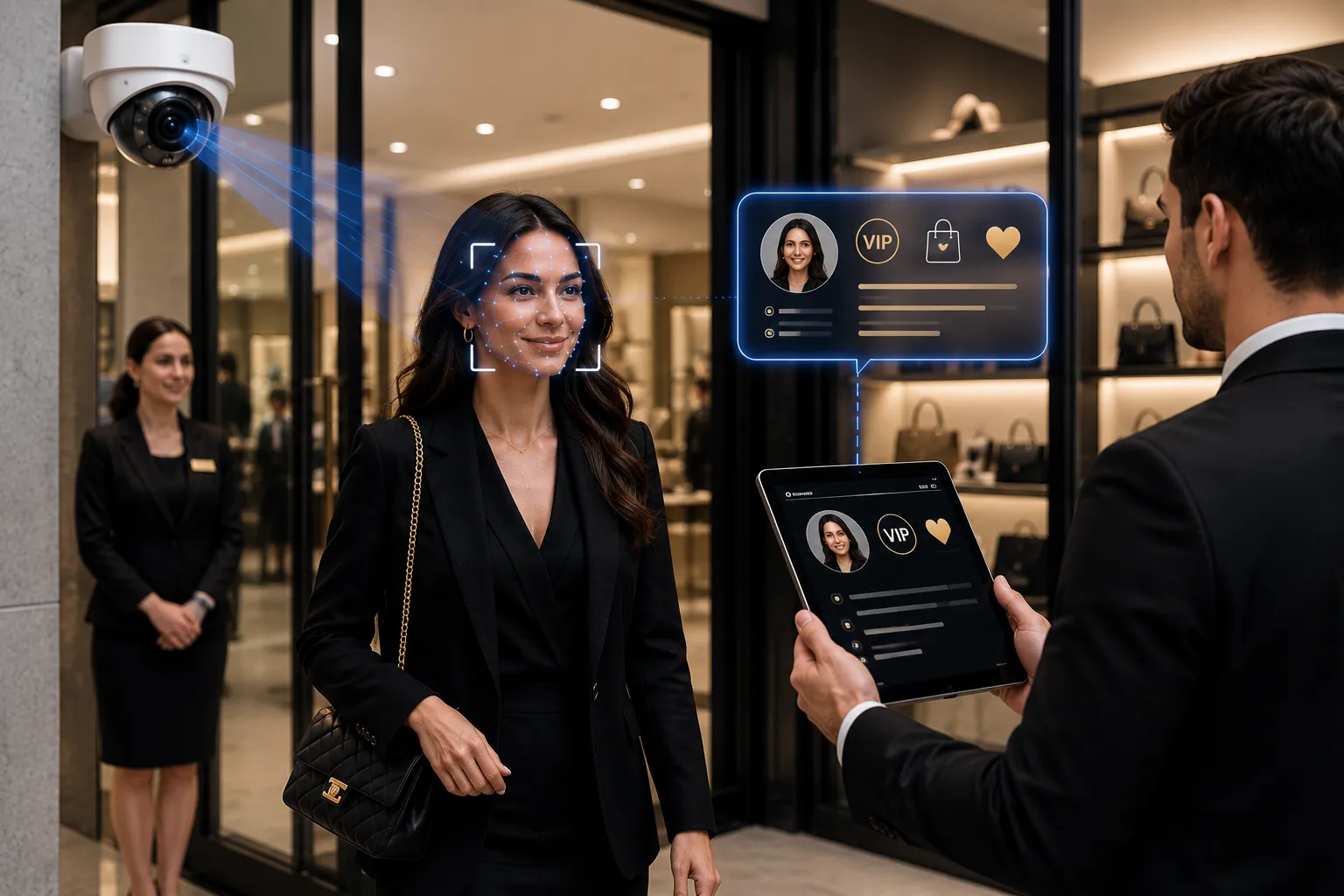
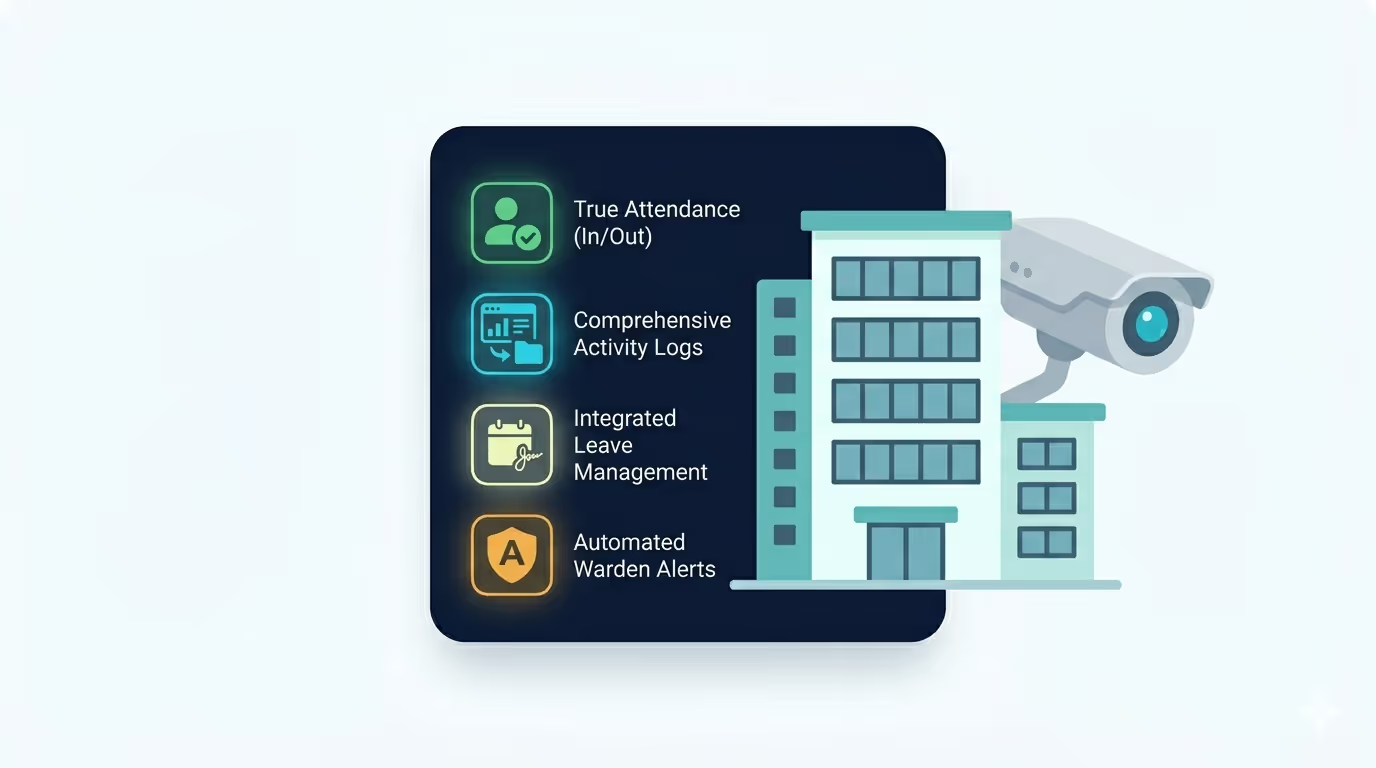
Office entrance using face recognition for attendance tracking and access control system
The Evolution of Workforce Time Tracking
Workforce time tracking has evolved dramatically over the past century. From mechanical punch clocks in the early 1900s to magnetic stripe cards in the 1980s, RFID badges in the 2000s, and fingerprint scanners in the 2010s — each generation solved problems while creating new ones.
Now, facial recognition time clocks represent the next evolution: contactless, camera-based identity verification that works passively as employees enter or exit a facility. But how do they actually compare to the biometric systems many organizations already have in place?
Understanding the Options
Fingerprint Scanners
Fingerprint scanners have been the most widely deployed biometric attendance system for the past decade. They require employees to physically place a finger on a sensor, which reads the unique ridge patterns and matches them against a stored template. They're relatively affordable ($200-$500 per unit) and have accuracy rates around 95-98%.
Iris Scanners
Iris recognition systems capture the unique patterns in the colored ring around the pupil. They're more accurate than fingerprints (99%+) but significantly more expensive ($1,000-$3,000 per unit) and require employees to position their eyes precisely at a specific distance from the scanner.
Badge and RFID Systems
While not biometric in the traditional sense, badge systems remain the most common access and attendance method. Employees carry RFID cards or key fobs that communicate with readers at entry points. They're inexpensive ($50-$150 per reader) but offer zero identity verification — anyone holding the badge is granted access.
Facial Recognition Time Clocks
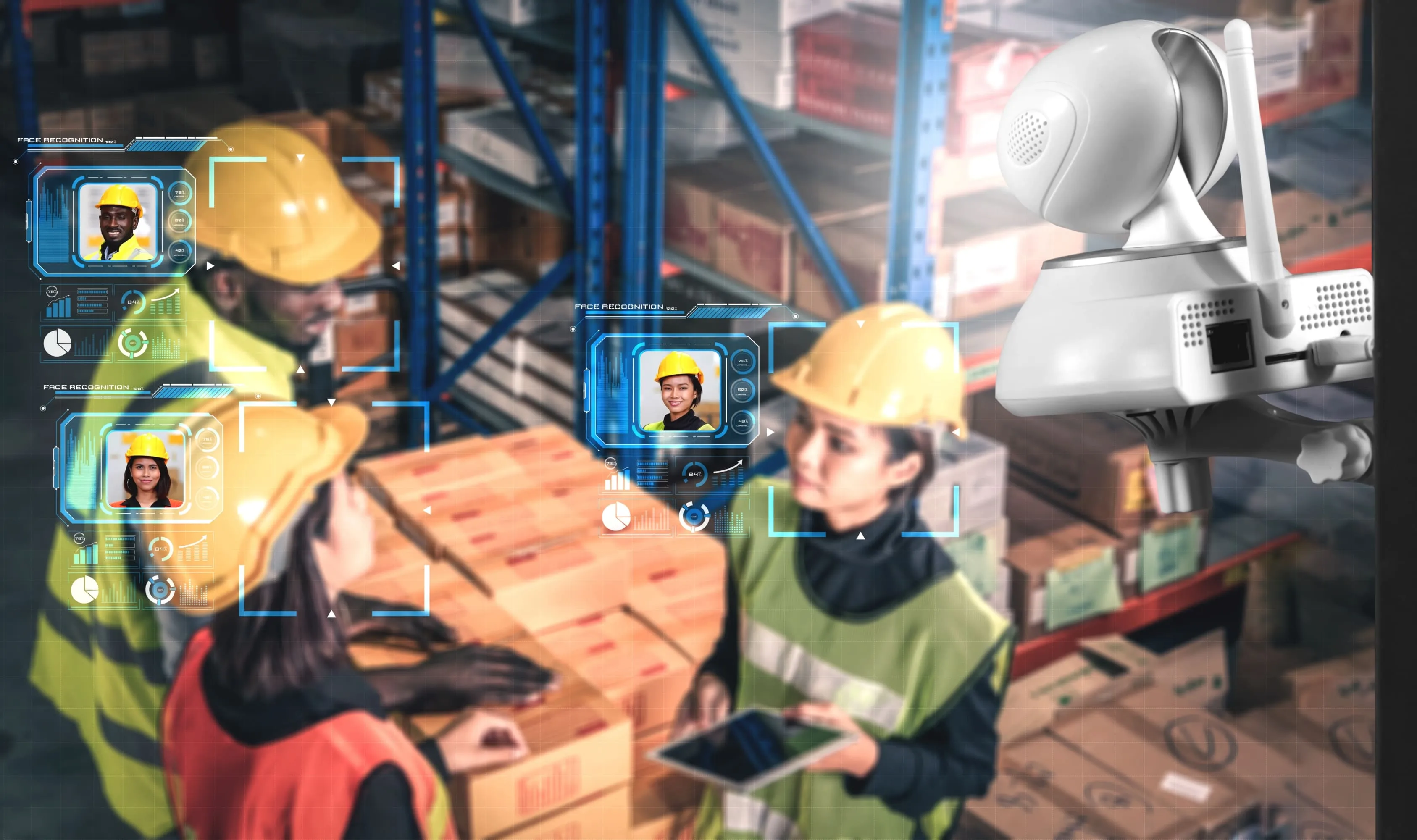
Facial recognition time clocks use cameras (often existing CCTV) combined with AI to identify employees by their facial features. They work passively — no touching, no stopping, no specific positioning required. Modern systems achieve 99%+ accuracy and can identify multiple people simultaneously.
Head-to-Head Comparison
Accuracy
Fingerprint scanners typically achieve 95-98% accuracy, with failures increasing when fingers are wet, dirty, cut, or calloused — common in construction, manufacturing, and healthcare. Iris scanners achieve 99%+ but struggle with glasses, contact lenses, and certain lighting conditions. Badge systems have near-100% read rates but zero identity verification (anyone can swipe someone else's badge). Facial recognition achieves 99%+ accuracy and works through masks, glasses, and varying lighting conditions with modern AI models.
Hygiene and Health
Post-pandemic, touchless operation has become a significant factor. Fingerprint scanners require direct physical contact with a surface touched by every employee — creating a potential transmission vector. Iris scanners are contactless but require close proximity. Badge systems require touching a shared card reader. Facial recognition is fully contactless — employees simply walk past a camera. In healthcare, food processing, and cleanroom environments, this contactless advantage is particularly significant.
Buddy Punching Prevention
Buddy punching — when one employee clocks in for another — costs organizations an estimated 2-5% of gross payroll. Badge and RFID systems offer zero protection against buddy punching (just hand someone your card). Fingerprint scanners effectively prevent it, but employees can refuse to use them citing privacy concerns. Facial recognition prevents buddy punching entirely while operating passively — there's no action for an employee to refuse since identification happens automatically through existing cameras.
Throughput and Speed
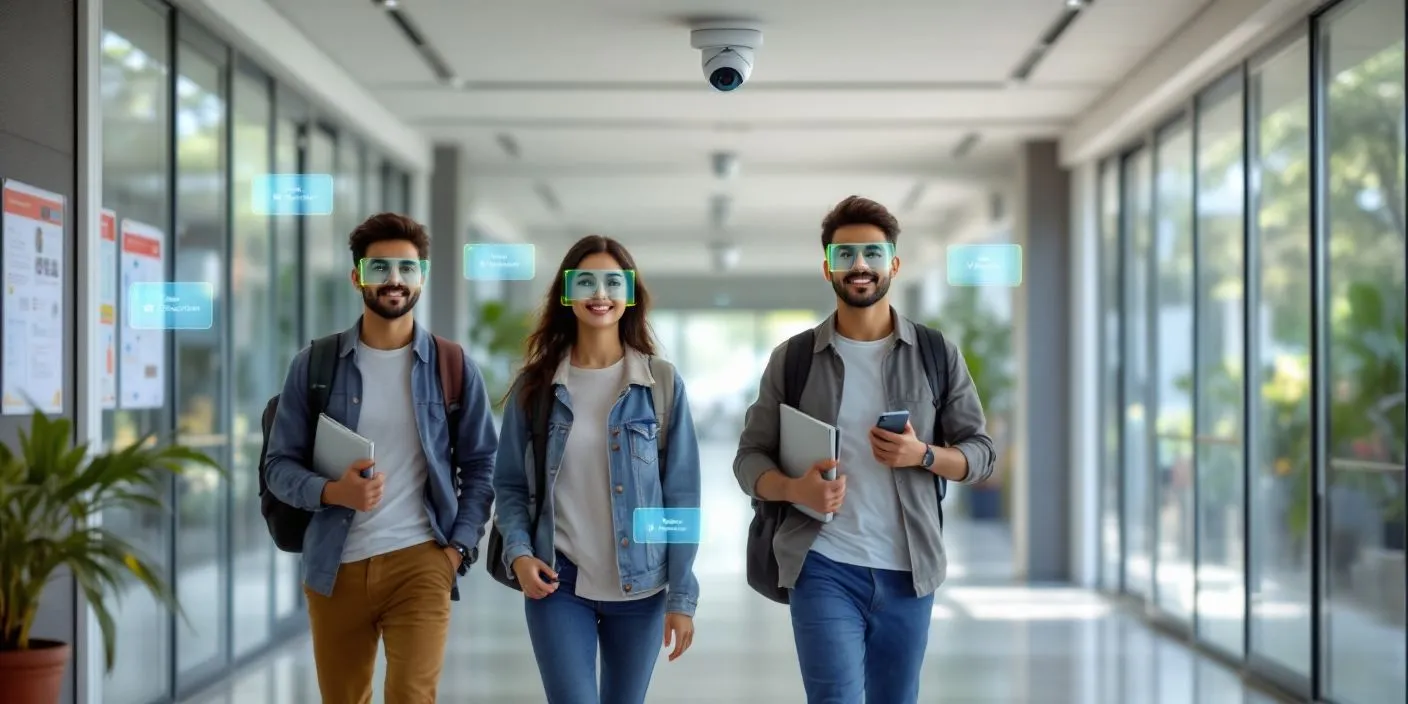
In high-traffic environments like factory shift changes, construction site gates, or university entrances, throughput matters enormously. A fingerprint scanner processes one person at a time, typically taking 2-4 seconds per scan. Iris scanners take 3-5 seconds. Badge readers are fast (under 1 second) but create single-file bottlenecks. Facial recognition systems can identify multiple people simultaneously as they walk through a camera's field of view — no queuing, no bottlenecks, no waiting.
Hardware Requirements
Fingerprint scanners require dedicated terminals at every entry point. Iris scanners require specialized cameras with specific focal lengths. Badge systems need readers and card distribution infrastructure. Facial recognition time clocks can leverage existing CCTV cameras — meaning organizations with existing camera infrastructure may need zero additional hardware. This is the single biggest cost advantage of camera-based facial recognition.
Privacy and Compliance
Privacy is where the conversation gets nuanced. Fingerprint data is regulated under BIPA (Illinois), GDPR, CCPA, and other biometric privacy laws — but it's also well-established with clear consent frameworks. Facial recognition faces additional scrutiny and more active regulatory debate.
The critical factor is data architecture. Cloud-based facial recognition systems that transmit biometric data to external servers face the most regulatory risk. On-premise systems that process all facial data locally — where no biometric templates ever leave the organization's network — provide the strongest privacy posture and the clearest path to compliance with BIPA, GDPR, CCPA/CPRA, and DPDP.
Cost Comparison
When comparing total cost of ownership, the picture is clear. Dedicated biometric terminals cost $200-$3,000 per unit plus installation, maintenance, and eventual replacement. For an organization with 10 entry points, that's $2,000-$30,000 in hardware alone, plus ongoing maintenance. Facial recognition using existing CCTV cameras eliminates hardware costs entirely. The investment is in the AI software platform and edge computing hardware — which typically serves the entire facility rather than requiring a device at each entry point.
When Each System Makes Sense
Fingerprint scanners remain a solid choice for small, single-location businesses with limited entry points and moderate throughput requirements. They're proven, affordable, and well-understood.
Iris scanners are best suited for ultra-high-security environments where maximum accuracy justifies the premium cost — data centers, defense facilities, and pharmaceutical clean rooms.
Badge systems work for organizations that need basic access control without identity verification and want the simplest possible deployment.
Facial recognition time clocks are the optimal choice for organizations that already have CCTV infrastructure, need to cover multiple entry points, have high-throughput requirements (shift changes, campus environments), operate in hygiene-sensitive environments, or want to consolidate security and attendance into a single system.
Making the Switch
For organizations considering a move from traditional biometrics to facial recognition, the transition is typically straightforward. Since facial recognition works with existing CCTV cameras, there's no need to remove or replace current biometric hardware immediately. Many organizations run both systems in parallel during a transition period, then phase out the legacy terminals once confidence in the new system is established.
The key considerations for a successful transition include: ensuring your existing cameras meet minimum resolution requirements (720p or higher), confirming your network can support the additional data processing, and selecting a system with on-premise processing for maximum privacy compliance.
See a live comparison of facial recognition attendance versus your current system. Book a demo and we'll show you the difference using your own cameras.
We use cookies to improve your experience on our website.
✕
About Cookies on This Site
Please choose which functional and/or advertising cookies this site may collect:
Required Cookies
These cookies are necessary to manage the site and enable basic features to function.