Introduction: In Retail, Attendance Is a Revenue Variable
In retail, every operational minute matters. A delayed store opening, an understaffed morning shift, or an absent key employee during peak hours directly affects customer experience and daily revenue.
Yet, for many retail chains, attendance tracking still relies on systems that were never designed for the realities of store operations—manual registers, biometric devices, or card-based systems that break down during rush hours.
This is where CCTV-based attendance systems are changing the game for retail organizations—by making workforce visibility seamless, passive, and operationally reliable.
Why Traditional Attendance Fails in Retail Environments
Retail stores operate under conditions that most attendance systems struggle with:
Biometric or device-based attendance systems often create queues at store entry, especially during opening hours or shift overlaps. Missed punches become common, forcing store managers to manually correct attendance—often after the fact.
Retail studies show that store managers spend 10–15% of their time on administrative work, much of which is related to attendance reconciliation and shift validation. This is time taken away from floor management and customer experience.
CCTV-Based Attendance: Designed for Store Flow, Not Disruption
A CCTV-based attendance system works fundamentally differently.
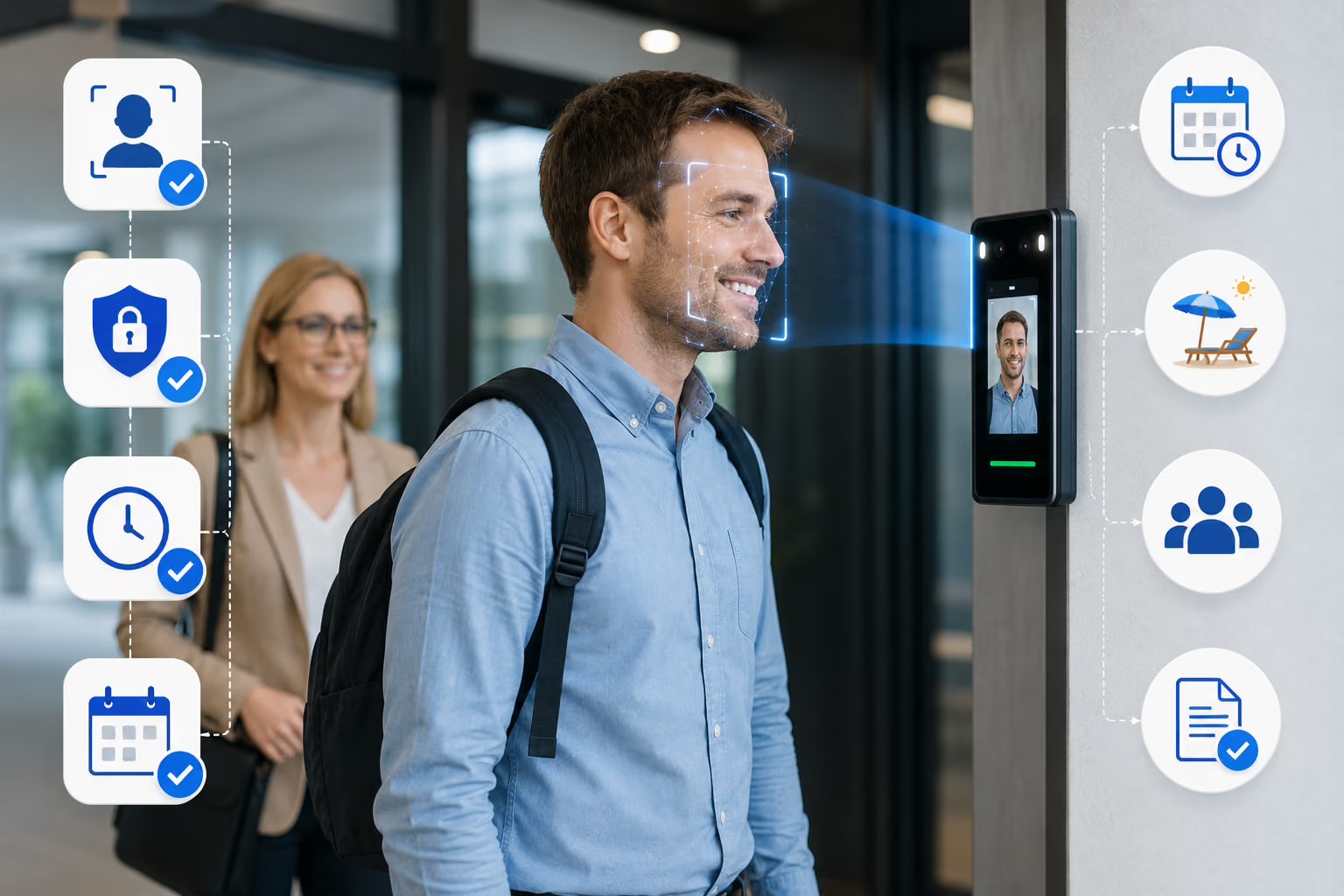
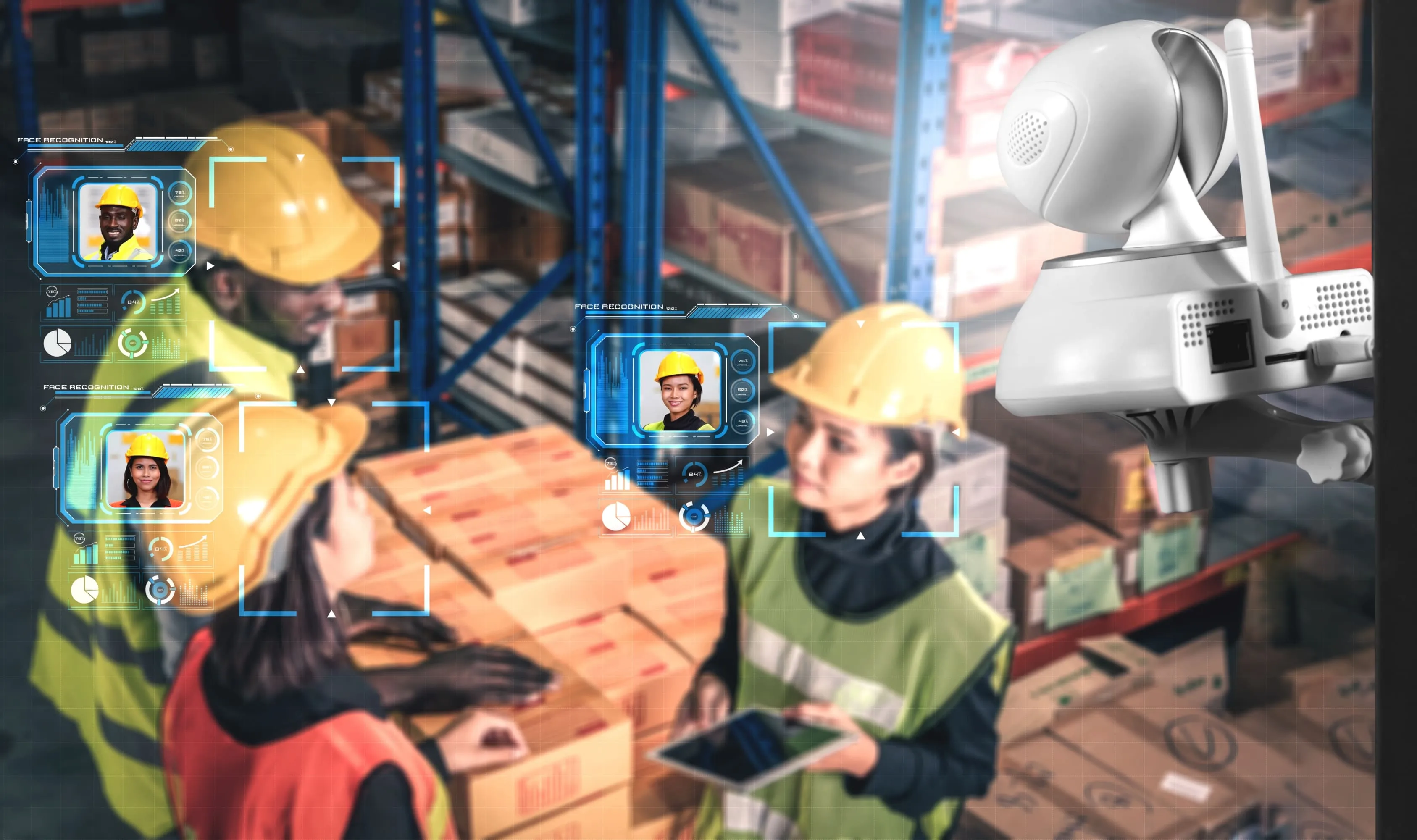
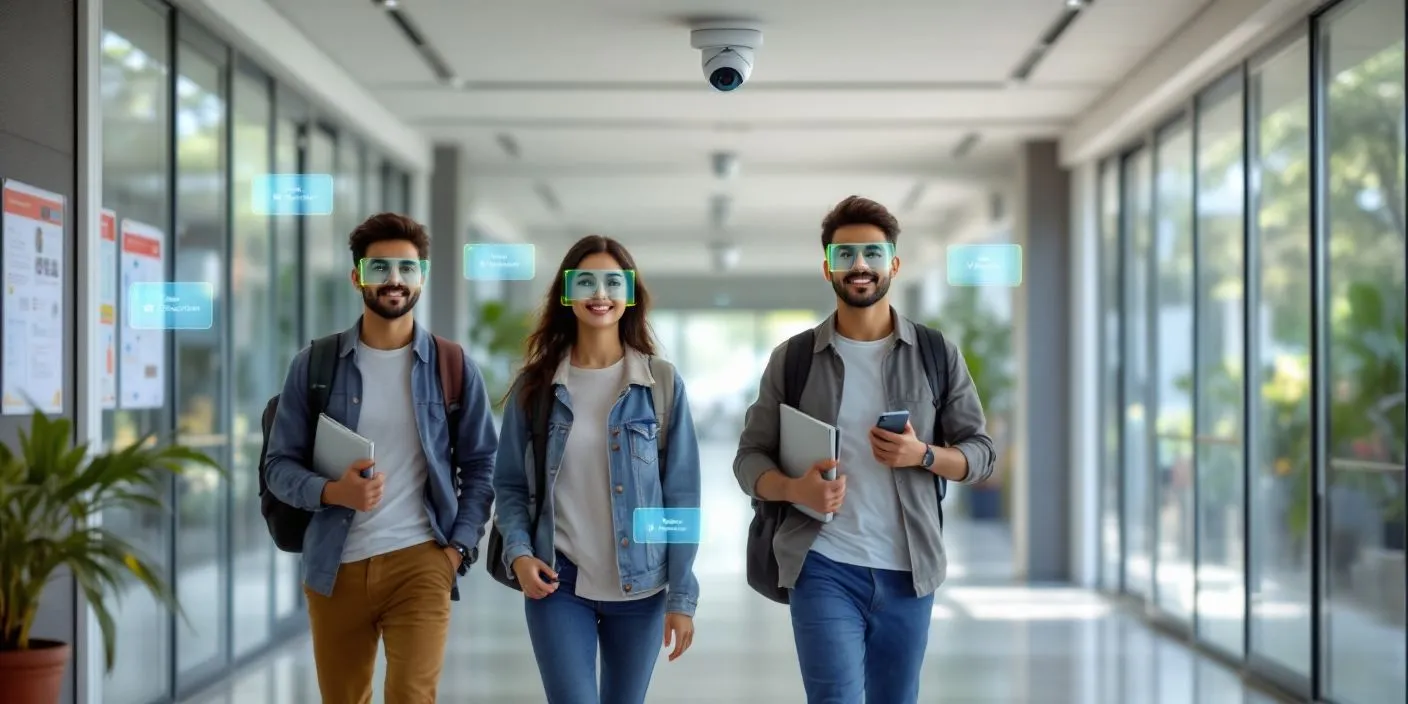
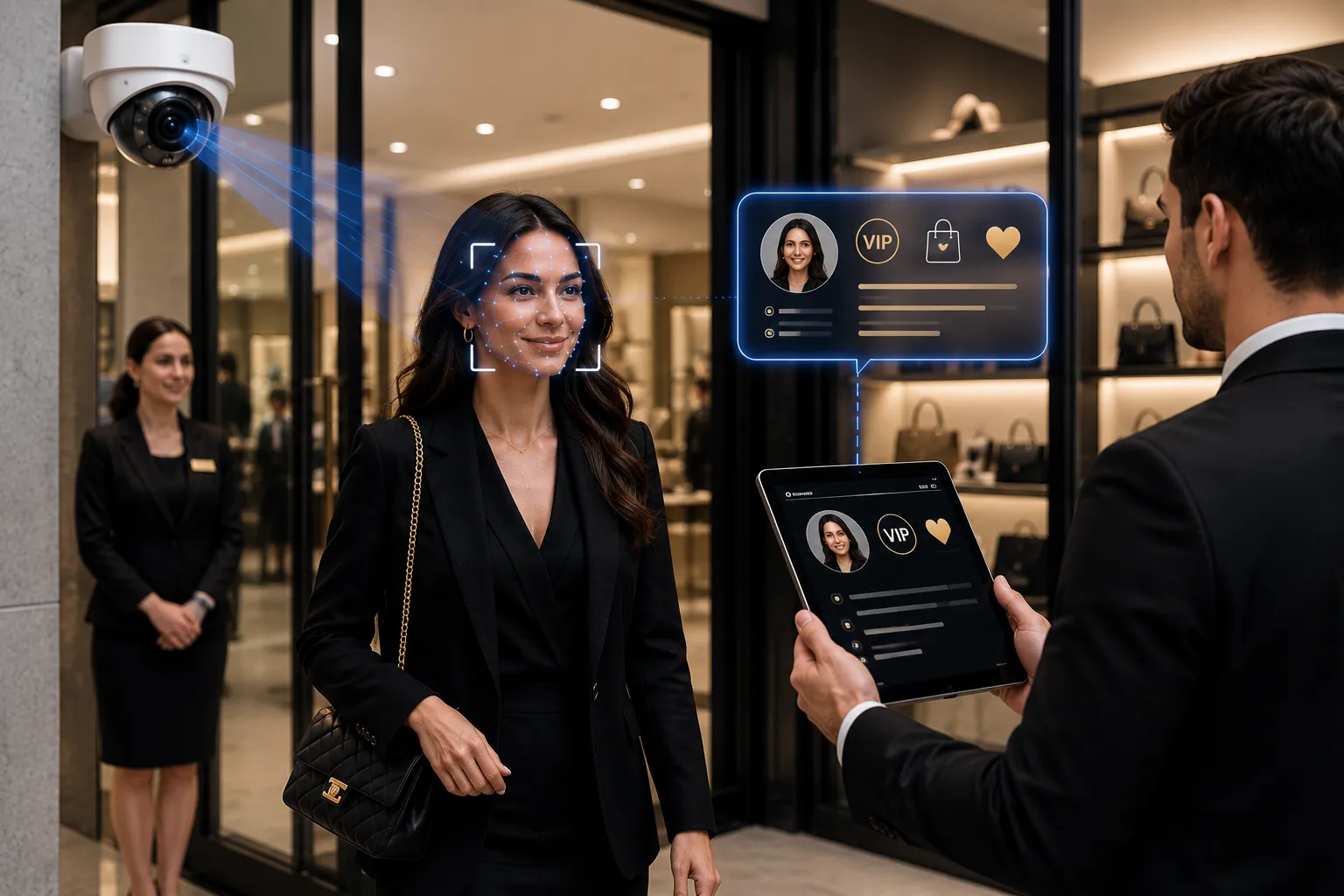
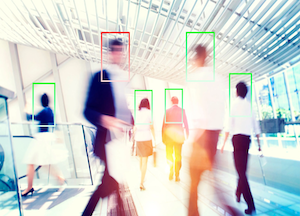
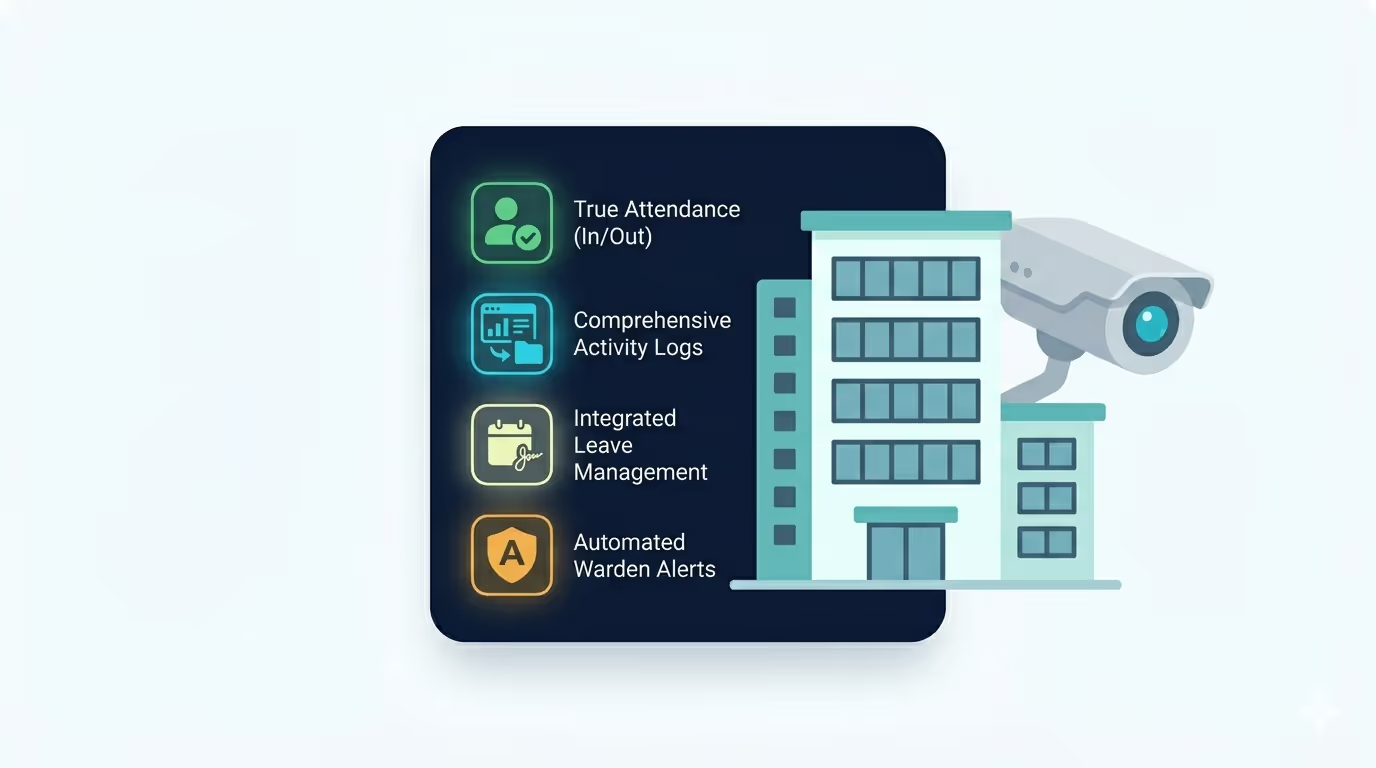
Instead of asking employees to “do something” (scan, tap, punch), attendance is captured as a natural by-product of store entry. Cameras already placed at store entrances record staff presence automatically using face recognition.
Key characteristics that make this ideal for retail:
Attendance becomes invisible to store operations.
Store Opening Accuracy: The First Win for Retail Leaders
One of the biggest operational risks in retail is delayed or understaffed store openings.
With CCTV gate attendance:
This shifts attendance from a retrospective HR record to a live operational signal.
Retail chains using camera-based attendance often report:
Shift Adherence and Peak-Hour Coverage
Retail performance depends heavily on having the right number of staff during peak hours. Traditional attendance systems capture time but fail to reflect real presence accurately during rush periods.
CCTV-based attendance systems:
This improves:
Multi-Store Visibility for Regional Teams
For retail leadership, the challenge is not just tracking one store—but dozens or hundreds of stores simultaneously.
CCTV attendance enables:
Regional managers no longer need to rely on delayed reports or manual confirmations from store managers.
Privacy and Trust in Retail Workforces
Retail workforces are highly dynamic. Trust and transparency matter.
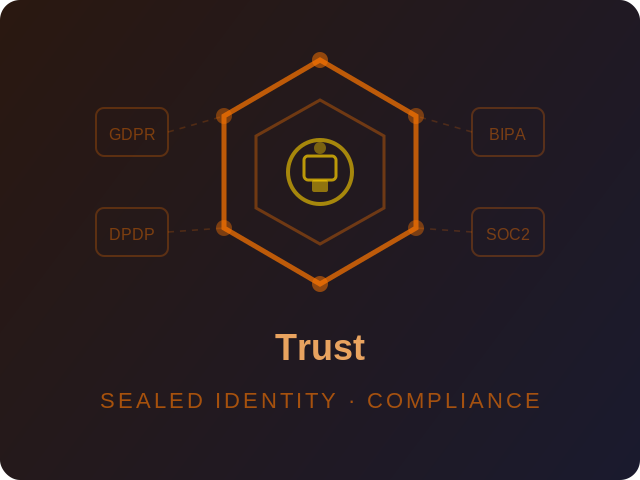
Unlike biometric systems that store sensitive identifiers, CCTV-based attendance systems operate within existing surveillance setups that staff already understand. Modern systems are designed with:
This makes adoption smoother and reduces employee resistance.
Attendance as a Retail Operations Enabler
For modern retail organizations, attendance data feeds into:
CCTV-based attendance turns attendance from a compliance task into an operational enabler.
Conclusion: Attendance That Supports Retail Execution
Retail success depends on execution—on the floor, every day. CCTV-based attendance systems give retailers accurate, real-time workforce visibility without slowing down stores or adding administrative burden.
Vizenta AI helps retail chains transform existing CCTV infrastructure into a scalable, privacy-first CCTV-based attendance system, delivering real-time staff visibility across stores.
Book a demo with Vizenta AI to see how smarter attendance can power better retail performance.