Title IV R2T4 Attendance Compliance Guide 2026: What Universities Need to Know
Title IV R2T4 Attendance Compliance
Your Cameras Are Already There — They Just Aren't Smart Yet
Most organizations have invested significantly in CCTV infrastructure for security. But those cameras sit idle 99% of the time, recording footage that nobody watches until something goes wrong. Meanwhile, the same organizations spend additional money on separate attendance systems — biometric scanners, RFID badges, punch clocks, or manual sign-in sheets.
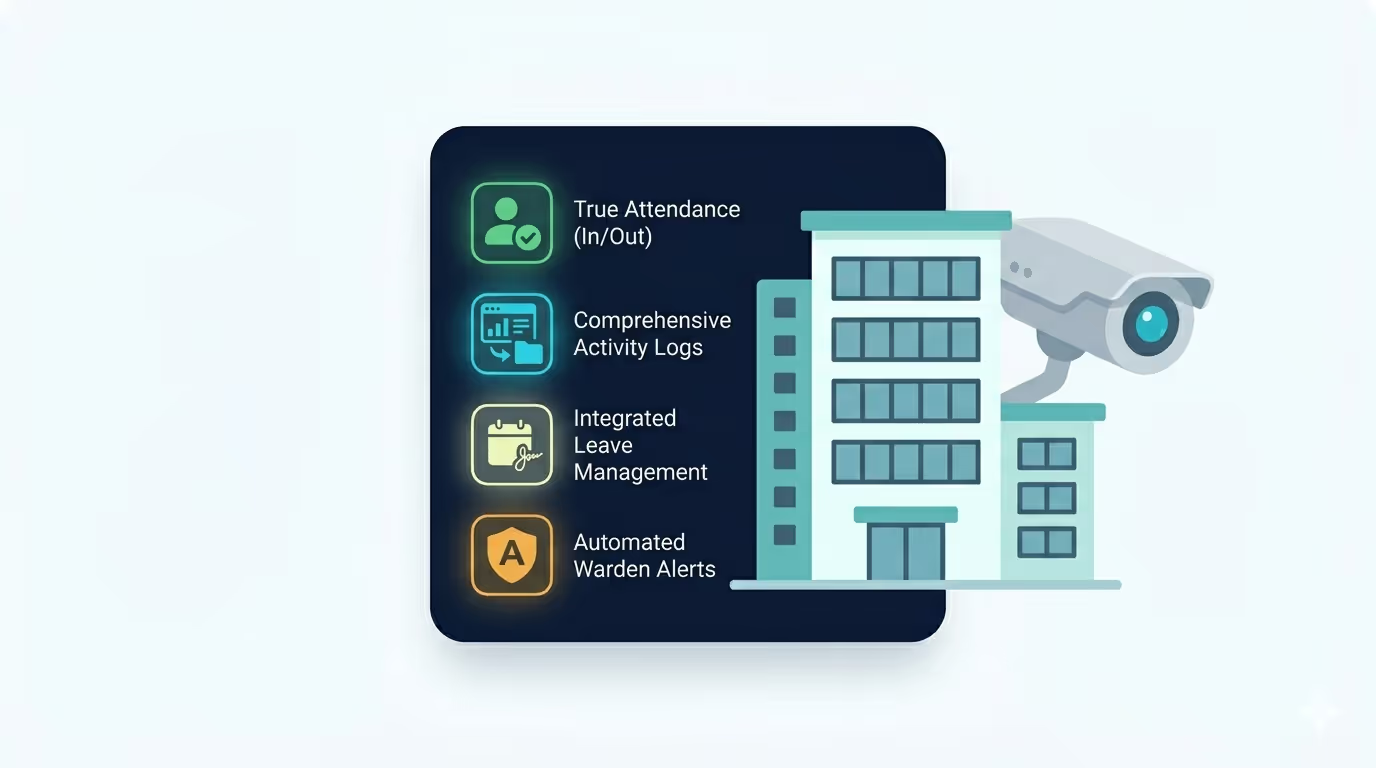
What if your existing cameras could do both? That's exactly what an AI attendance system does: it adds an intelligent software layer to your current CCTV infrastructure, turning passive recording devices into active workforce management tools.
What Is an AI Attendance System?
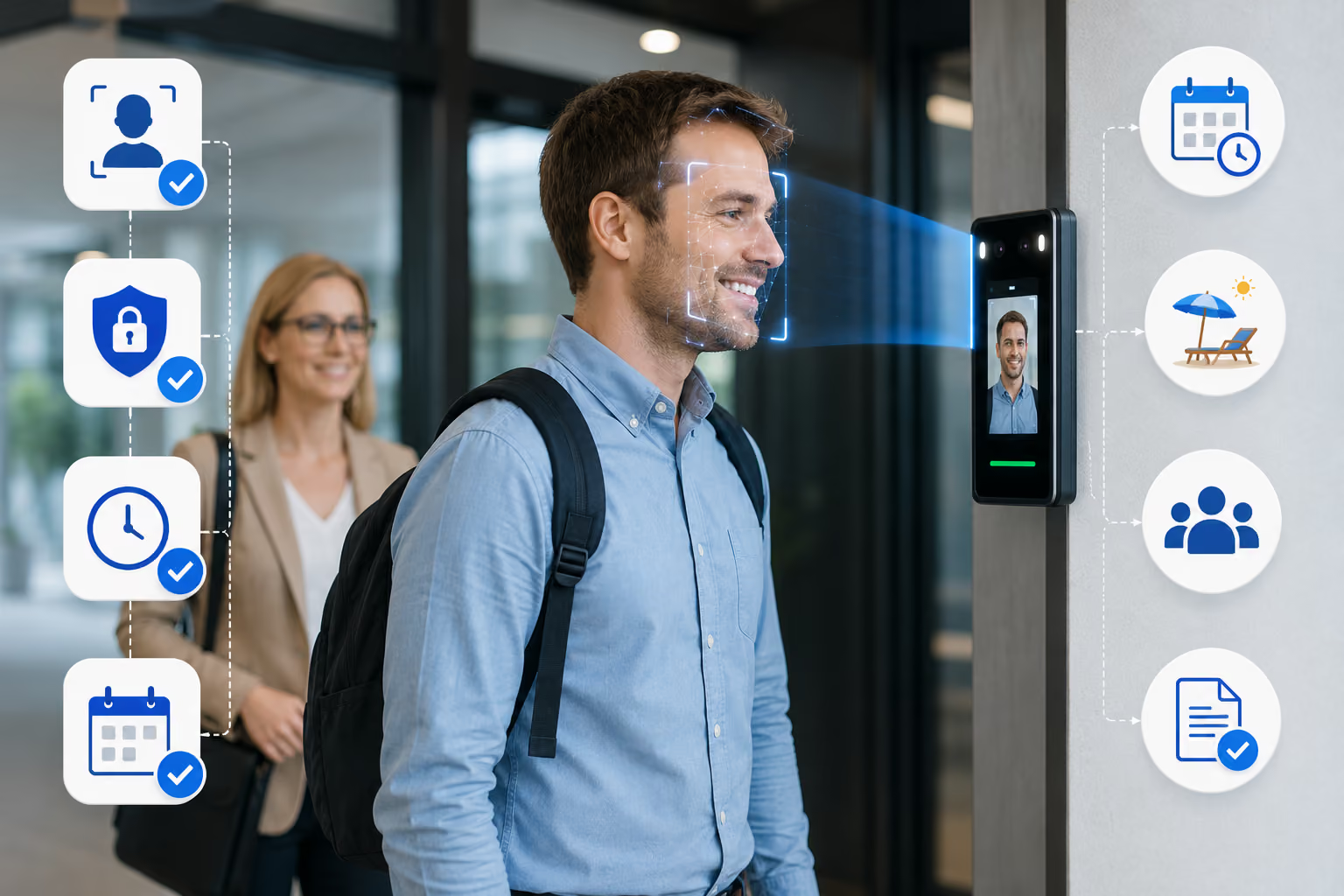
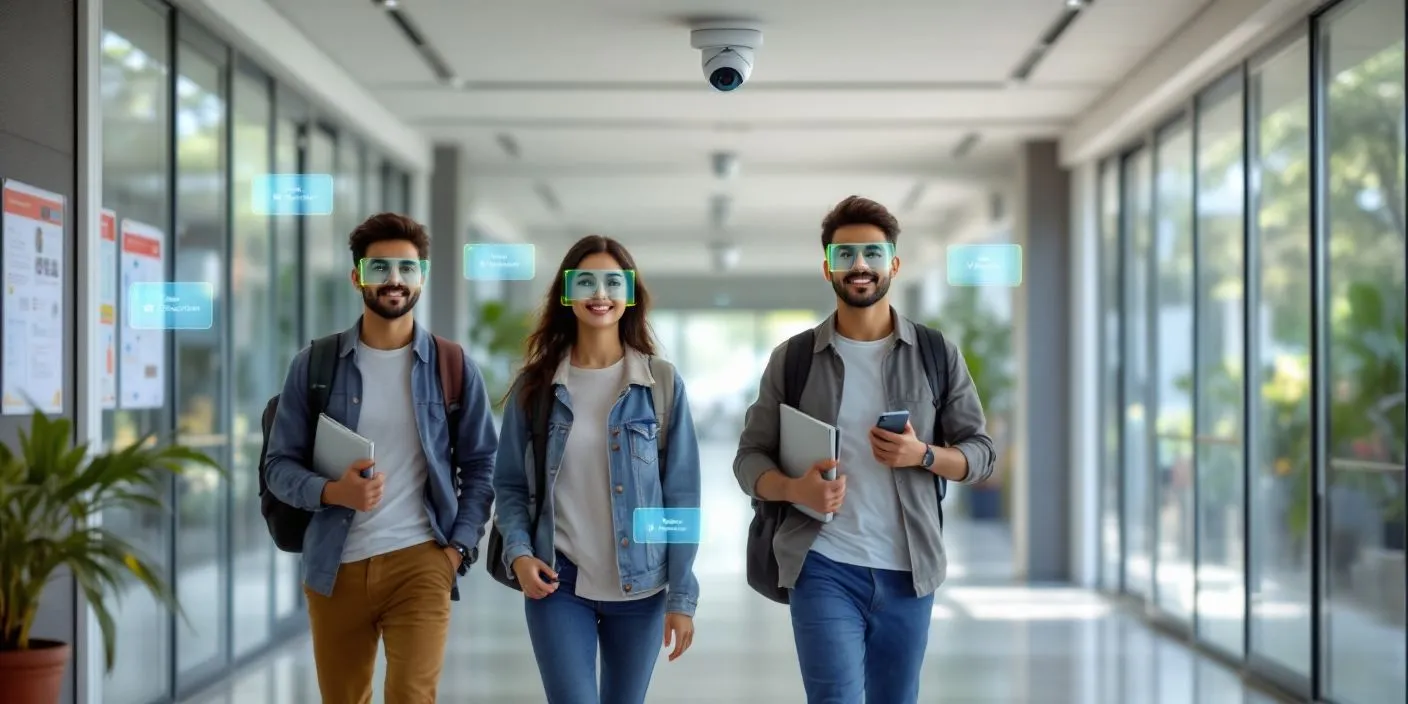
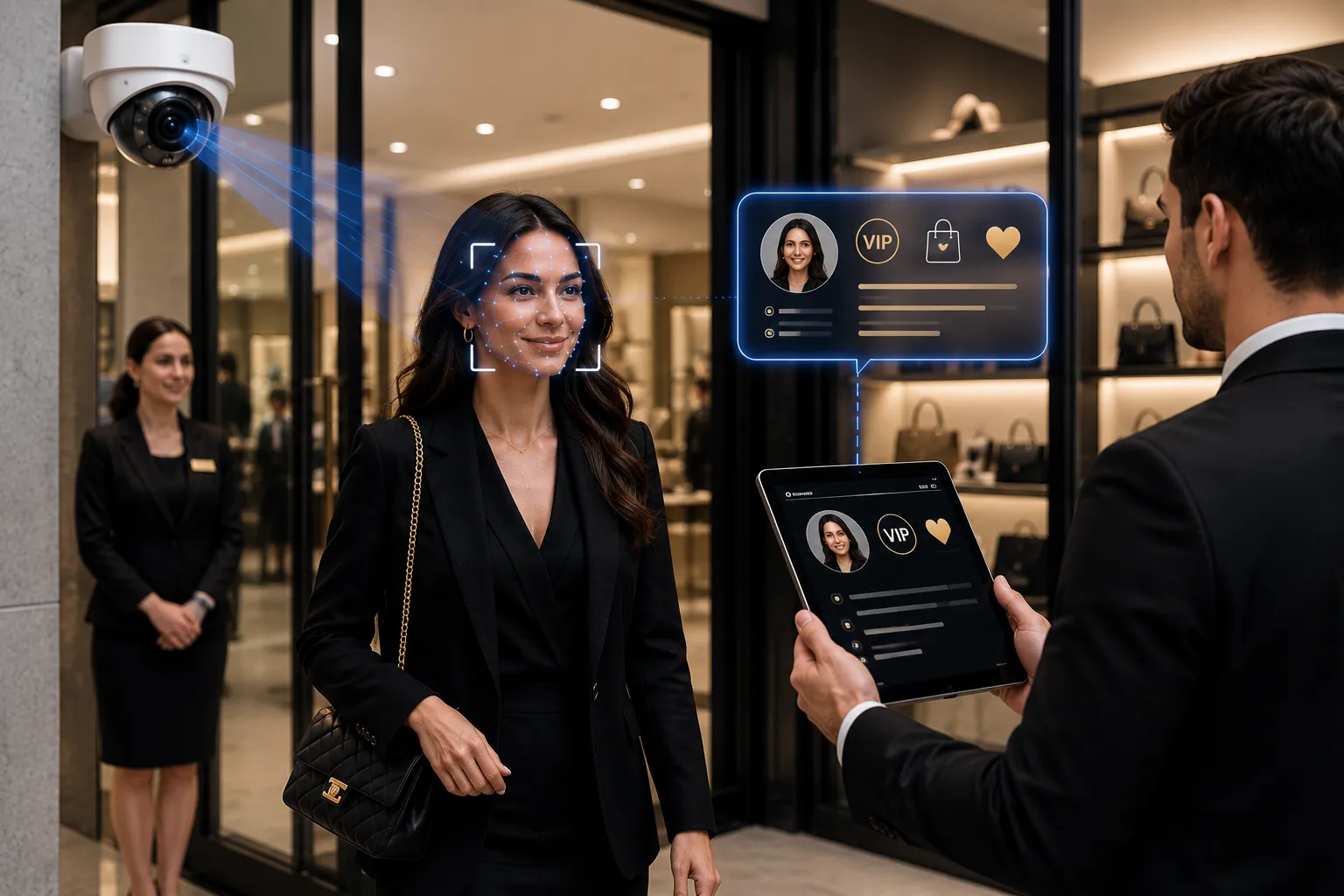
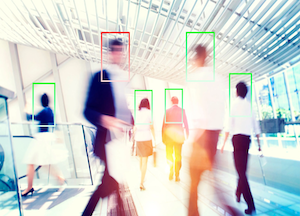
An AI attendance system uses computer vision and facial recognition technology to automatically identify and log individuals as they pass through camera-monitored areas. Unlike traditional attendance methods that require physical interaction (swiping a badge, scanning a fingerprint, signing a sheet), an AI attendance system works passively — employees, students, or visitors simply walk through the camera's field of view and their attendance is recorded automatically.
Key characteristics of a modern AI attendance system include:
Contactless operation: No touching shared surfaces or carrying cards
Identity verification: Facial recognition prevents buddy punching and proxy attendance
Real-time logging: Attendance is recorded the moment a person is recognized
Passive capture: No need to stop, pose, or interact with a device
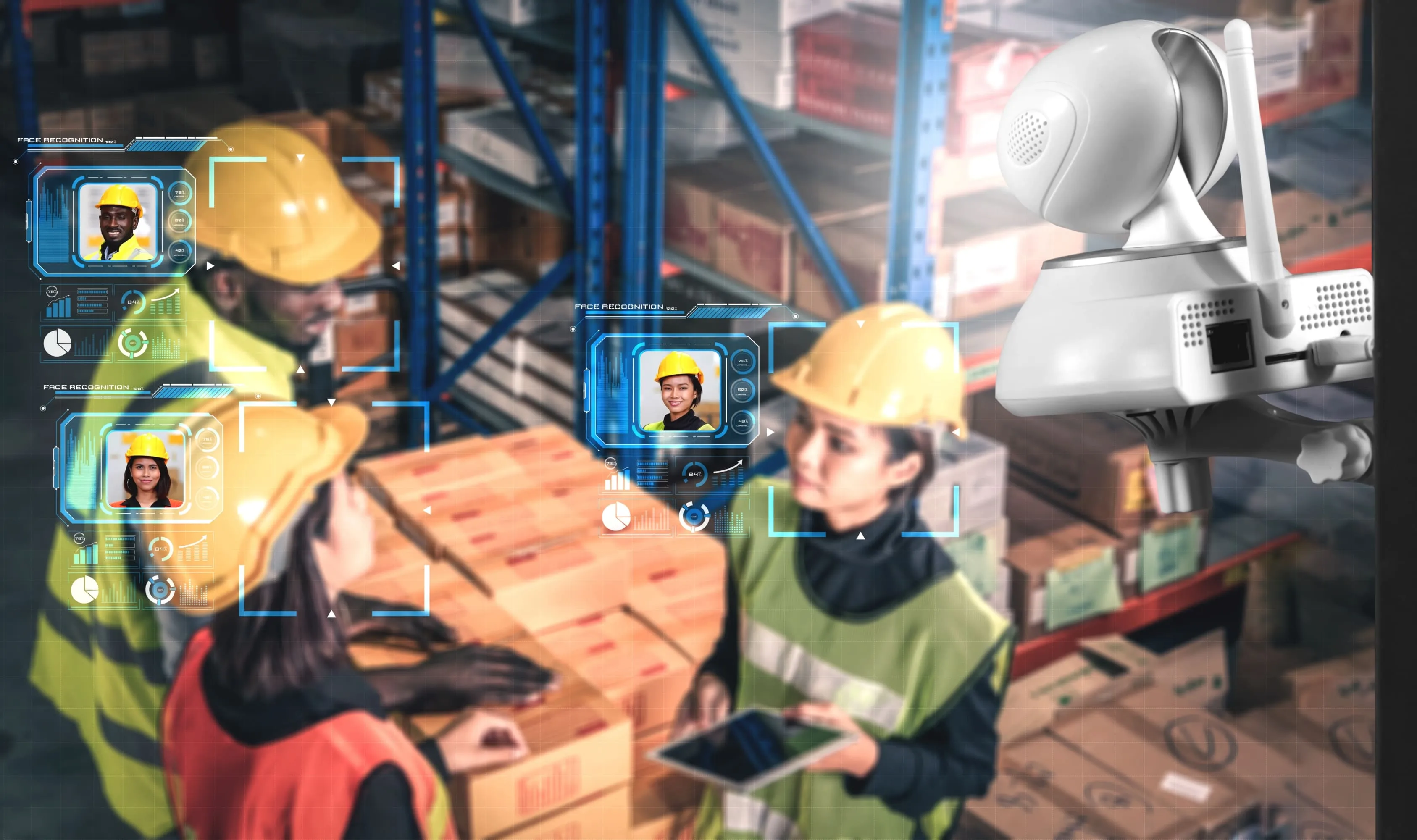
Multi-person recognition: Can identify multiple people simultaneously in crowded environments
Why Convert Existing CCTV Instead of Buying New Hardware?
The economics are compelling. A typical office with 20 cameras has already invested $15,000-$50,000 in camera infrastructure. Adding dedicated biometric attendance terminals for every entry point might cost another $10,000-$25,000 — plus ongoing maintenance, replacement parts, and the inevitable employee complaints about fingerprint scanners that don't work when hands are wet or dirty.
Converting your existing CCTV to an AI attendance system eliminates this duplication. The cameras you already own become both your security system and your attendance system. The economics include:
Zero hardware cost: Works with Hikvision, Axis, Dahua, Honeywell, CP Plus, and other major IP camera brands
No rip-and-replace: Connect via standard RTSP/ONVIF protocols
Dual-purpose infrastructure: Security monitoring and attendance from the same cameras
Lower total cost of ownership: One system to maintain instead of two
How the Conversion Works: Step by Step
Step 1: Camera Audit and Compatibility Check
The first step is assessing your existing camera infrastructure. Most modern IP cameras manufactured in the last 5-7 years support the RTSP or ONVIF protocols required for AI integration. The assessment checks camera resolution (minimum 720p recommended, 1080p preferred), positioning, lighting conditions, and network connectivity.
Step 2: Edge Hardware Deployment
The AI processing happens on edge computing hardware installed on your premises. This is typically a compact server or GPU-equipped device that connects to your camera network. All video processing, facial recognition, and attendance logging happens locally — no video is sent to the cloud.
Step 3: Enrollment
Employees, students, or visitors are enrolled in the system through a simple photo capture process. Most systems require 2-3 photos per person under different lighting conditions. Enrollment can be done via a dedicated station, a mobile app, or even through existing ID photos.
Step 4: Zone Configuration
Define which cameras monitor which attendance zones. An "attendance zone" might be a building entrance, a classroom doorway, a factory gate, or a retail staff entrance. Each zone can have different rules — for example, the main gate records entry/exit times while classroom cameras track per-session attendance.
Step 5: Integration and Go-Live
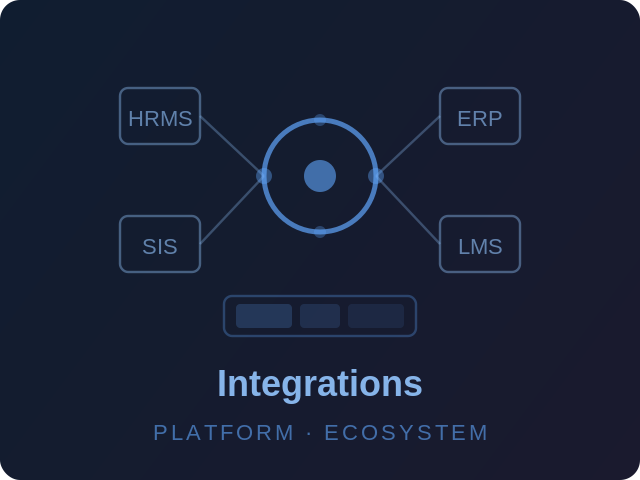
Connect the AI attendance system to your existing HR, payroll, or student information system via API. Most integrations support SAP, SuccessFactors, Workday, BambooHR, and common SIS platforms. Once connected, attendance data flows automatically into your existing workflows.
Industries Using CCTV-Based AI Attendance
Education
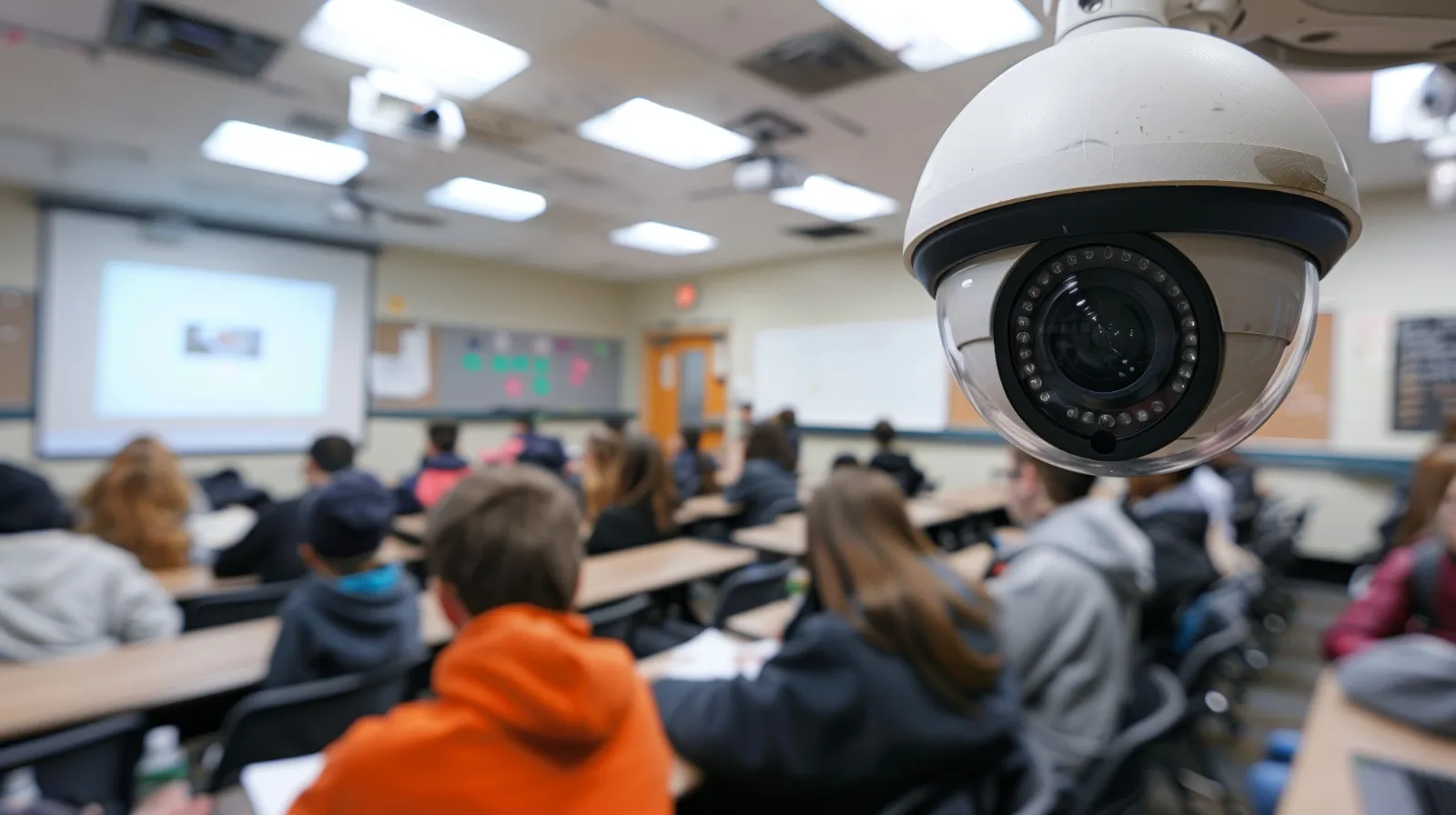
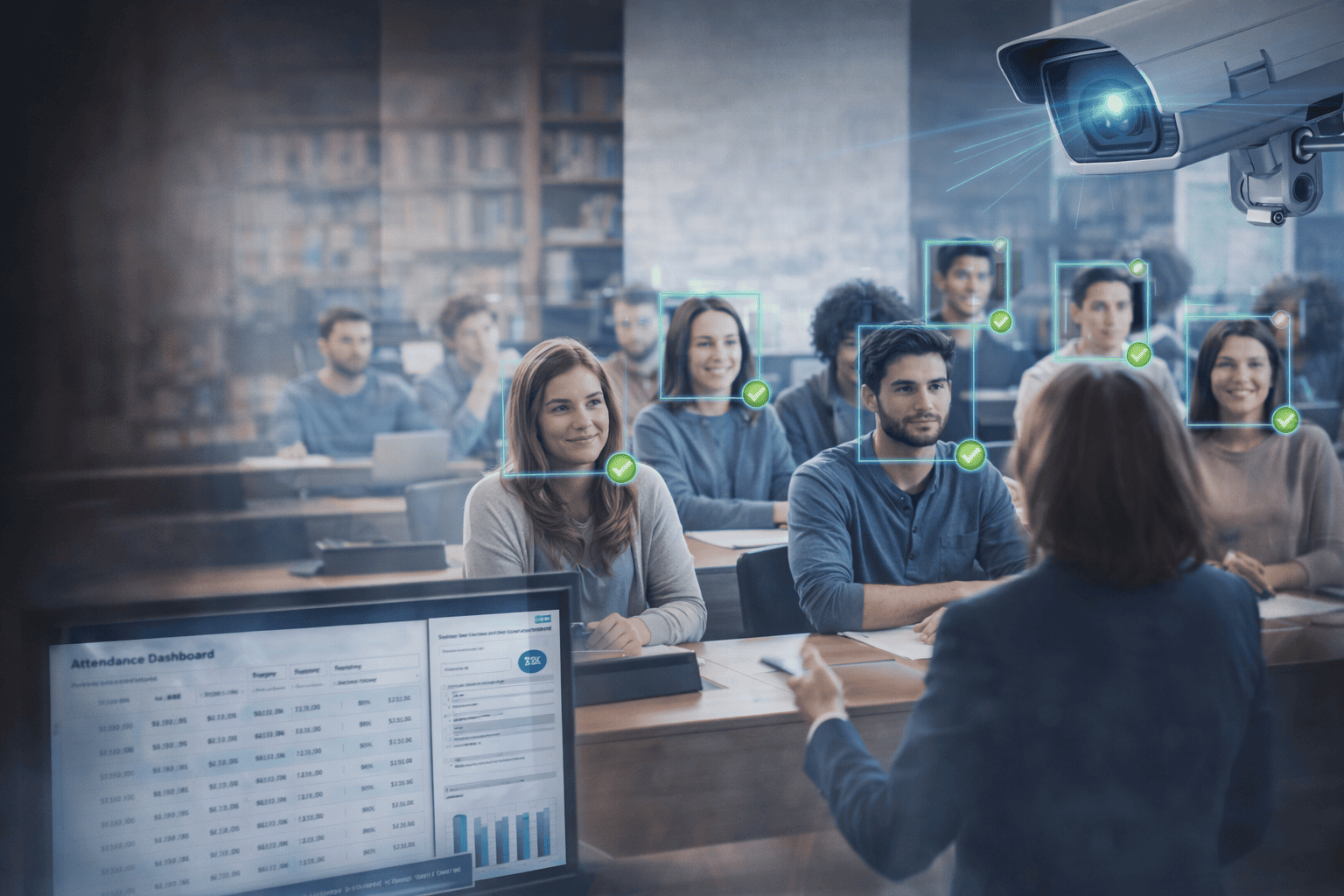
Universities and schools use CCTV-based attendance to automate classroom roll calls, track campus access, and generate compliance documentation for Title IV R2T4 requirements. With hundreds of classes daily, manual attendance tracking is impractical at scale.
Corporate Offices
Companies replace badge-based access control with facial recognition attendance, eliminating buddy punching and providing accurate data for hybrid work policies. Visitor management is handled through the same camera infrastructure.
Retail
Retailers use AI attendance to eliminate ghost shifts and buddy punching among hourly workers. The same cameras that track staff attendance also power loss prevention through shoplifter detection.
Construction Sites
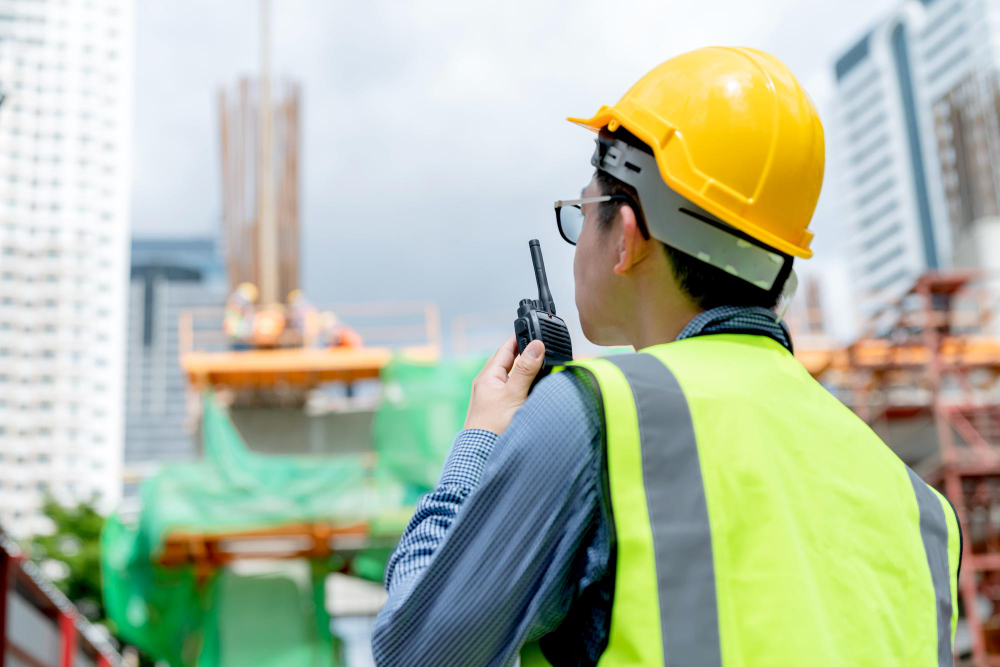
Construction sites need to track thousands of workers across multiple entry points in harsh outdoor conditions. AI attendance through ruggedized cameras eliminates paper sign-in sheets and provides real-time headcounts for safety compliance.
Manufacturing
Factories with shift workers use CCTV-based attendance to accurately track shift start/end times, overtime, and break compliance. Integration with HRMS eliminates manual timesheet reconciliation.
What About Privacy?
Privacy is the most common concern with facial recognition attendance systems. The critical differentiator is where the data is processed. Cloud-based systems send facial data to external servers, creating privacy risk and potential regulatory violations.
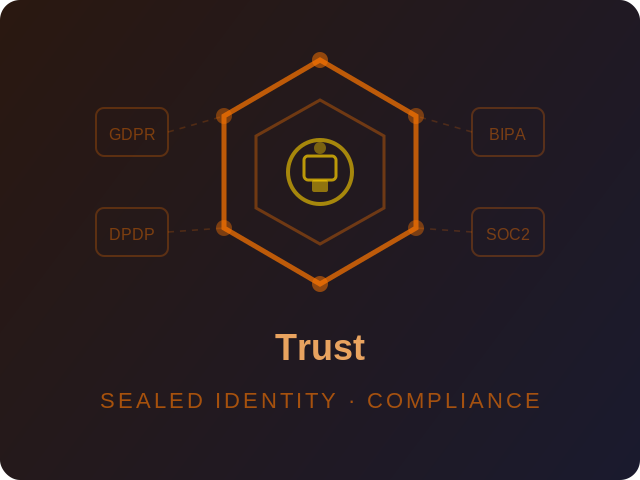
On-premise (edge-processed) AI attendance systems keep all biometric data within your own network. No facial templates, no video footage, and no personally identifiable information ever leaves your premises. This architecture is designed for compliance with GDPR, BIPA, CCPA/CPRA, DPDP, and other privacy regulations.
AI Attendance System vs Traditional Methods: A Comparison
When comparing AI attendance against traditional methods, the differences are significant across every dimension. Biometric scanners require physical contact and dedicated hardware at each point. Badge and RFID systems require card distribution and are vulnerable to sharing. Manual sign-in sheets lack verification and are labor-intensive to process. AI attendance, by contrast, is contactless, works with existing infrastructure, verifies identity automatically, and processes data in real time.
Getting Started
Converting your CCTV to an AI attendance system is simpler than most organizations expect. The typical deployment timeline is days, not months. There's no construction, no new cabling, and no disruption to existing security operations.
The first step is a camera audit to confirm compatibility and identify optimal attendance zones. From there, deployment follows the five-step process outlined above.
Book a free camera audit to find out if your existing CCTV can be converted into an AI attendance system.
The U.S. Department of Education's updated Title IV Return to Title IV (R2T4) regulations take effect on July 1, 2026. These changes fundamentally alter how institutions must document student attendance and engagement for financial aid calculations.
For institutions still relying on manual attendance tracking — paper sign-in sheets, LMS login timestamps, or self-reported data — the compliance burden is about to increase dramatically. This guide breaks down what's changing, what's required, and how forward-thinking institutions are solving the problem.
What Is R2T4 and Why Does It Matter?
Return to Title IV (R2T4) is the federal process that determines how much financial aid a student has "earned" when they withdraw from an institution. The calculation hinges on one critical data point: the student's last date of attendance or last date of academically related activity.
Under the updated regulations, institutions must provide verifiable, timestamped documentation of each student's last date of academic engagement — not just enrollment status. This means knowing exactly when a student last physically attended class, participated in a lab, or engaged in academically related activity.
What Changed in the 2026 Update?
The key changes affecting attendance documentation include:
Stricter documentation requirements: Institutions must maintain contemporaneous records of attendance, not retroactive reconstructions.
Expanded definition of engagement: Physical classroom attendance, lab participation, clinical rotations, and measurable online engagement all count — but must be verifiable.
Audit scrutiny: The Department of Education has signaled increased audit activity focused on R2T4 calculations, particularly at institutions with high withdrawal rates.
Financial penalties: Incorrect R2T4 calculations can result in institutions owing money back to the federal government, plus potential program eligibility issues.
The Problem with Manual Attendance Tracking
Most institutions track attendance through one or more manual methods: paper sign-in sheets, faculty-reported rosters, clicker systems, or LMS activity logs. Each has significant limitations for R2T4 compliance:
Paper sign-in sheets are easily falsified (buddy signing), lack timestamps, and create storage and retrieval nightmares during audits.
Faculty-reported rosters depend on individual faculty compliance and are typically submitted weekly or monthly — not in real time.
LMS login data proves a student accessed a system, not that they engaged in academically related activity.
Clicker systems can be shared between students and don't verify identity.
None of these methods produce the kind of verifiable, tamper-proof, timestamped records that auditors increasingly demand.
How AI-Powered Attendance Systems Solve R2T4 Compliance
AI-powered CCTV attendance systems like Vizenta transform existing campus cameras into automated attendance documentation tools. Here's how they address each R2T4 requirement:
Automated Last Date of Attendance
Facial recognition cameras at classroom and lab entrances automatically log each student's presence with precise timestamps. No manual input required. No buddy-signing possible. Every record is tied to a verified individual.
Contemporaneous Documentation
Records are generated in real time as students enter classrooms — not reconstructed days or weeks later. This satisfies the contemporaneous documentation requirement that auditors look for.
Engagement Tracking Beyond Attendance
Advanced systems like ClassEngage AI go beyond physical presence to measure actual classroom engagement — attention levels, participation patterns, and academic activity metrics. This provides a richer picture of "academically related activity" than simple headcounts.
Audit-Ready Exports
All attendance data is stored in searchable databases with full audit trails. When auditors request documentation for specific students, institutions can generate complete attendance histories in minutes rather than weeks of manual record-gathering.
FERPA-Compliant Architecture
Privacy is paramount in educational settings. Edge-processed, on-premise AI attendance systems keep all student biometric data within the institution's own network. No student images or personally identifiable information traverse the public internet. This addresses FERPA requirements while providing robust attendance documentation.
Implementation Timeline: Getting R2T4 Ready Before July 2026
Institutions considering AI-powered attendance tracking for R2T4 compliance should plan their implementation carefully:
March-April 2026: Evaluate current attendance documentation gaps. Identify high-risk programs with high withdrawal rates.
April-May 2026: Deploy pilot program in 2-3 high-priority buildings. Most AI attendance systems connect to existing CCTV cameras and can go live in days.
May-June 2026: Expand to full campus deployment. Train registrar and financial aid staff on new data exports.
July 1, 2026: New regulations take effect with full automated attendance documentation in place.
What to Look for in an R2T4 Attendance Solution
When evaluating attendance technology for R2T4 compliance, institutions should prioritize:
Identity verification: The system must verify individual student identity, not just device or card presence.
Timestamp accuracy: Records must include precise date and time of attendance.
Tamper resistance: Data must be protected against modification after the fact.
SIS integration: Attendance data must flow into your Student Information System for R2T4 calculations.
On-premise processing: For FERPA compliance, biometric data should not leave your campus network.
Hardware agnostic: Solutions that work with your existing CCTV cameras eliminate capital expenditure.
The Cost of Inaction
Institutions that fail to implement adequate attendance documentation face real financial risk. Incorrect R2T4 calculations discovered during audits can result in institutions owing significant sums back to the Department of Education. Beyond the financial impact, compliance failures can trigger heightened oversight, provisional certification, and reputational damage.
The July 2026 deadline provides a clear catalyst for institutions to modernize their attendance tracking infrastructure — not just for compliance, but for better student outcomes through data-driven engagement insights.
Ready to Get R2T4 Compliant?
Vizenta's CCTV classroom attendance system and ClassEngage AI provide the automated, verifiable, FERPA-compliant attendance documentation that Title IV R2T4 requires. Most campus deployments go live in days using existing cameras.