Solutions

Solutions

BY INDUSTRY
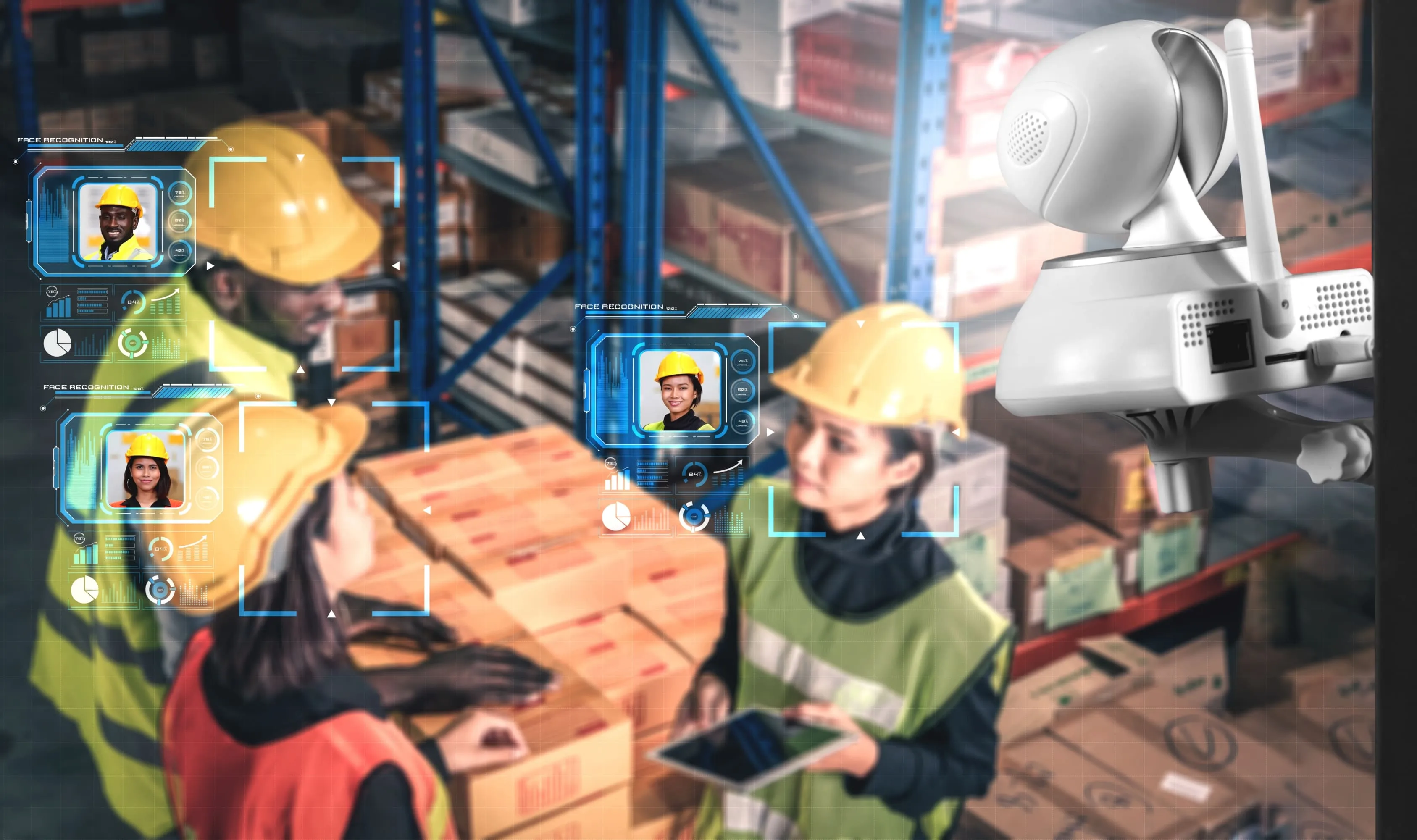
Manufacturing
Monitor PPE, restricted zones and factory safety compliance.

Healthcare
Patient identification, hygiene and secure access management.

Construction
Track workforce attendance and site access with AI monitoring.
Retail Loss Prevention
Visitor and movement tracking to reduce operational losses.

Women Security Initiative
AI-powered safety monitoring with instant alerts and protection.
Products
Solutions
PRESENCE
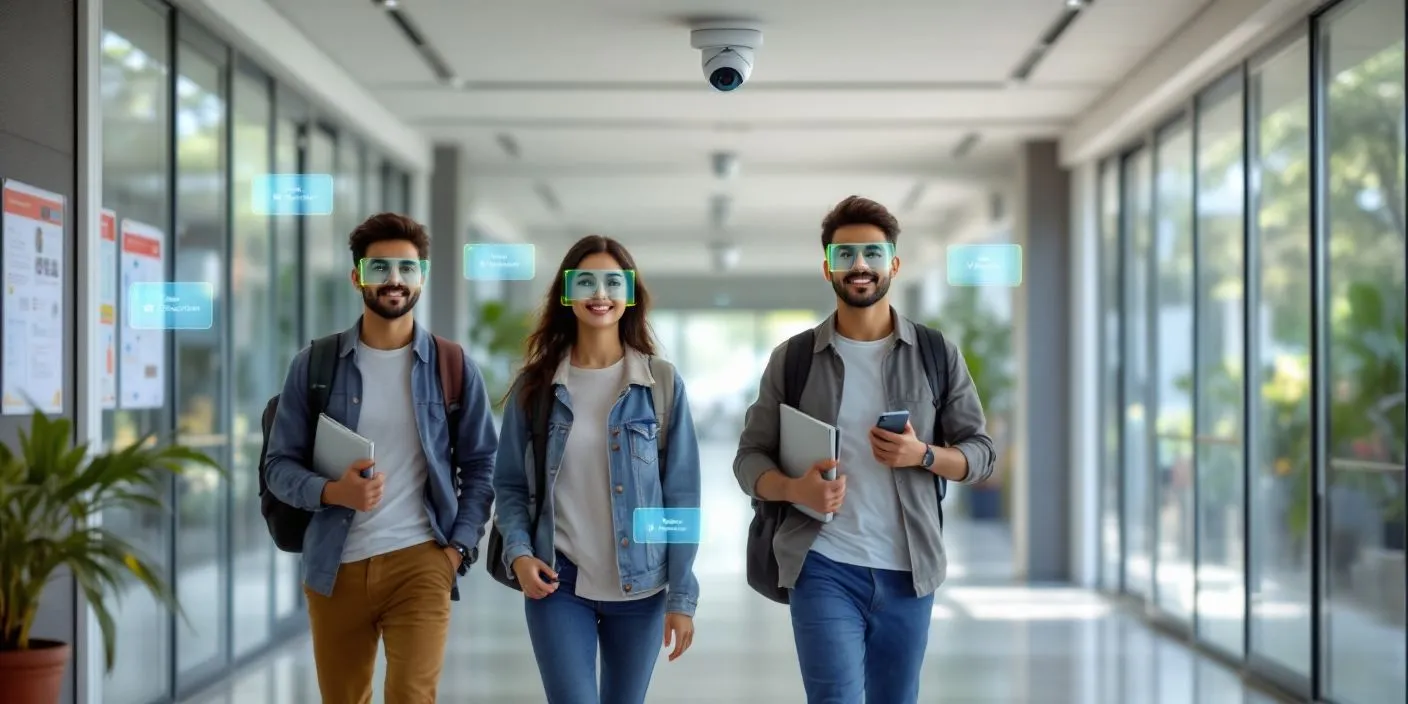
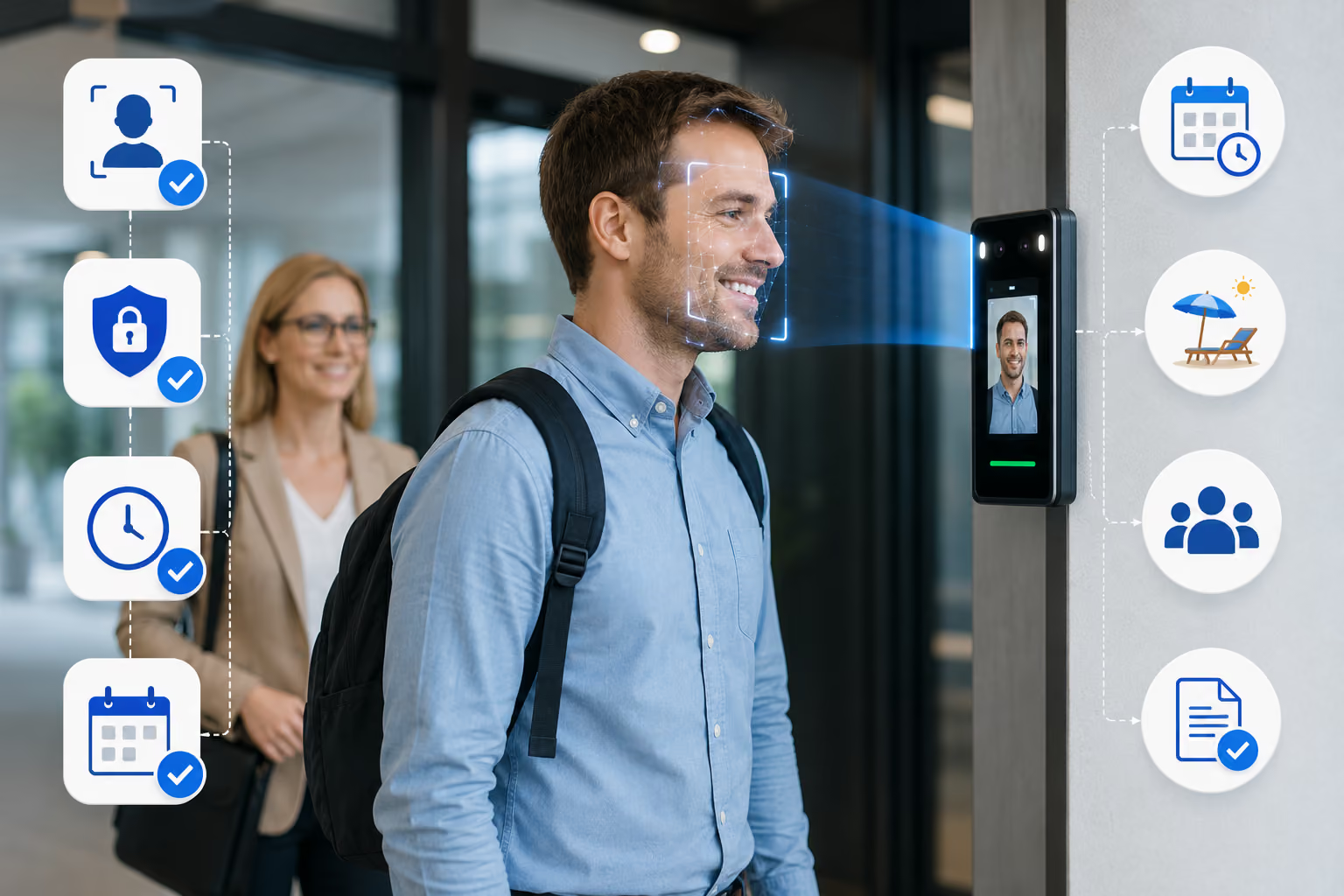
Vizenta Gate — CCTV Gate Attendance
Smart access control with facial recognition and movement tracking
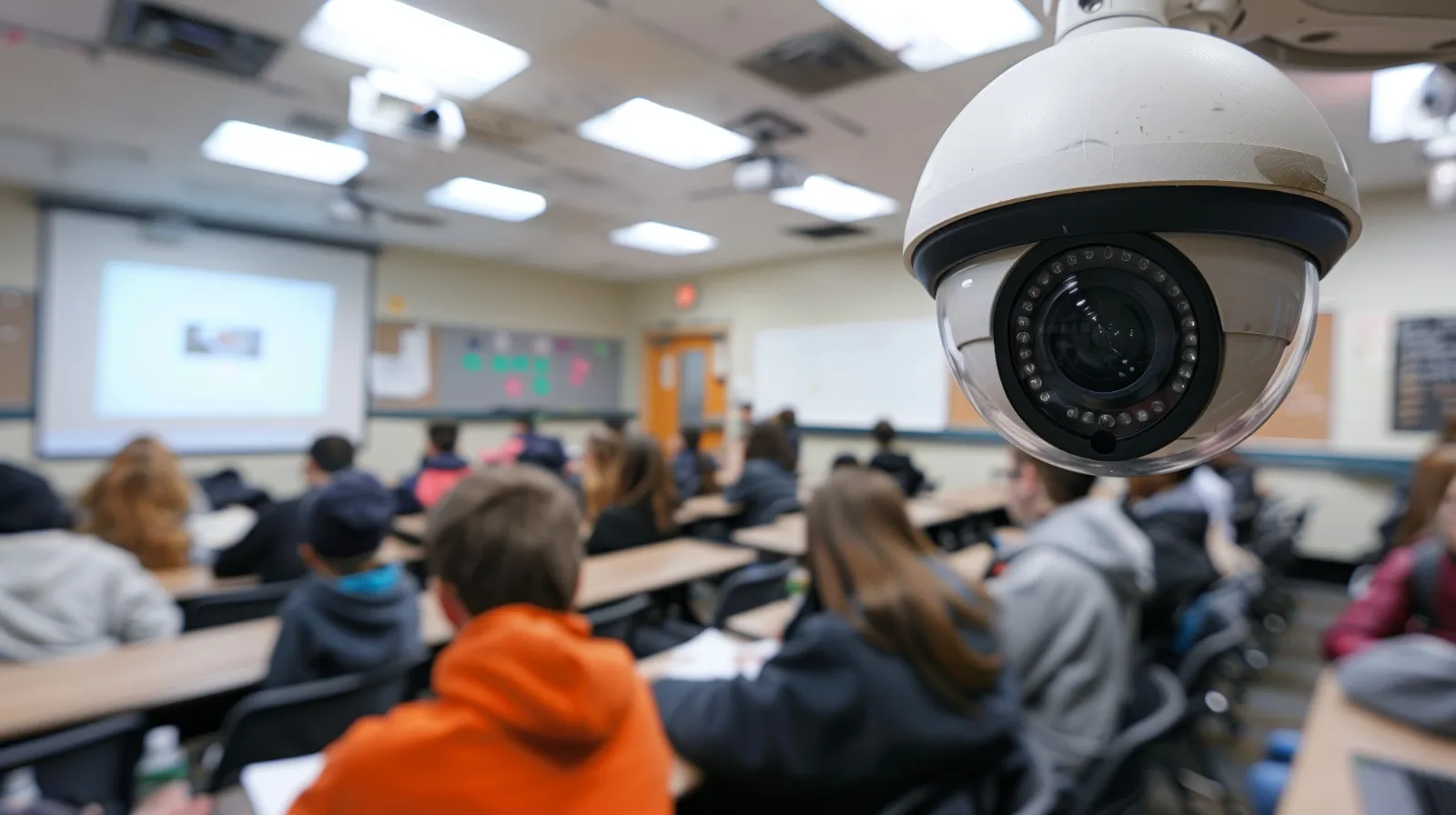
Vizenta Campus — CCTV Class & Lab Attendance
Touchless AI attendance ensuring accuracy, compliance, and automation

Vizenta Workforce
Unified AI intelligence connecting workforce, hrms, learning, and performance
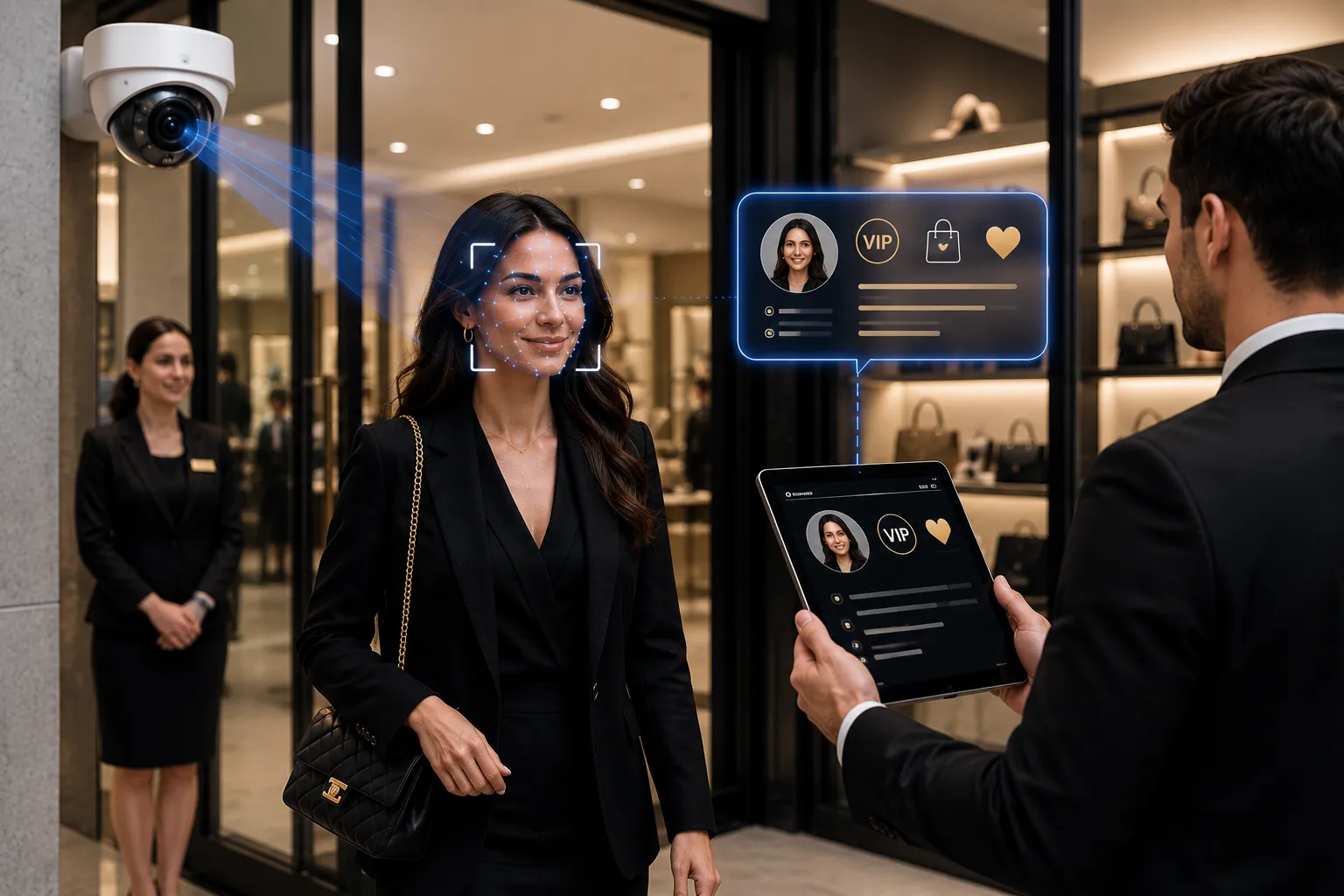
Vizenta VIP
Instant customer recognition for personalized experiences.
SAFETY

Vizenta Shield
Real-time AI detects security threats and suspicious activities across premises.
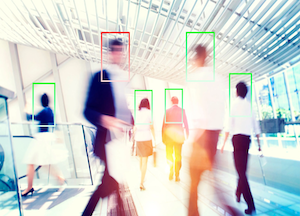
Vizenta Guard
AI-powered monitoring with instant alerts for safety, compliance, and response.
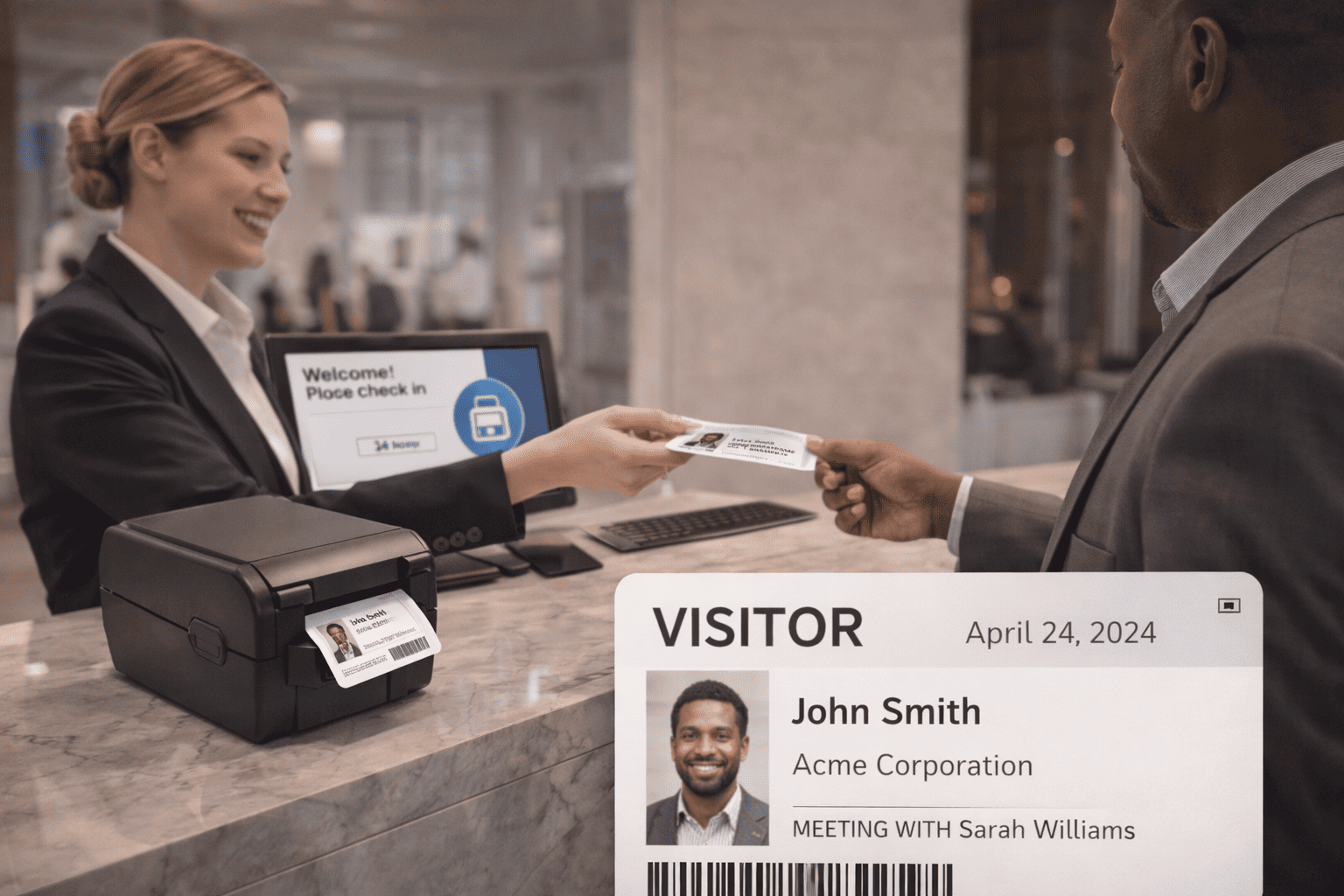
Vizenta Visitor
Digital visitor management with secure registration, passes, and entry tracking.
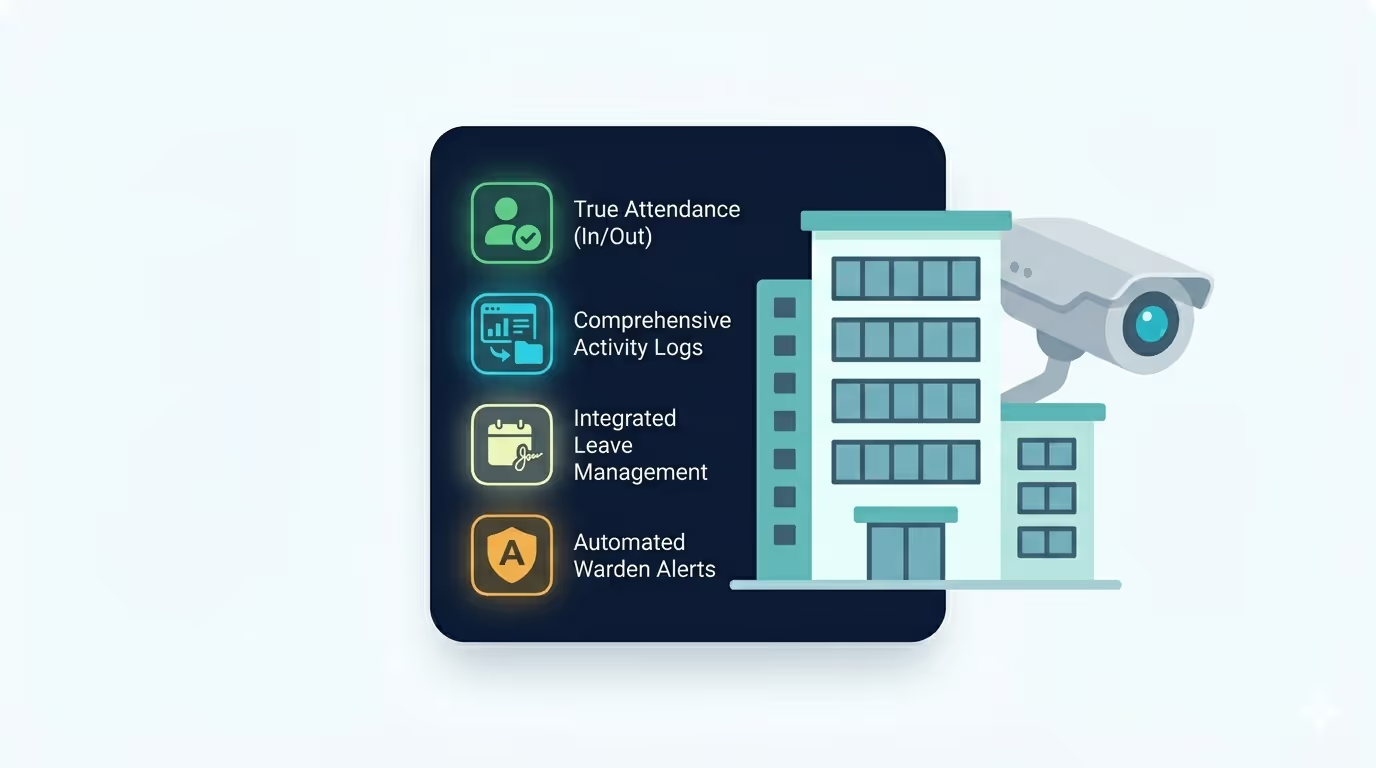
Vizenta Hostel
Automate hostel attendance, leave, and resident safety with AI monitoring.

Resources


Company
About Us